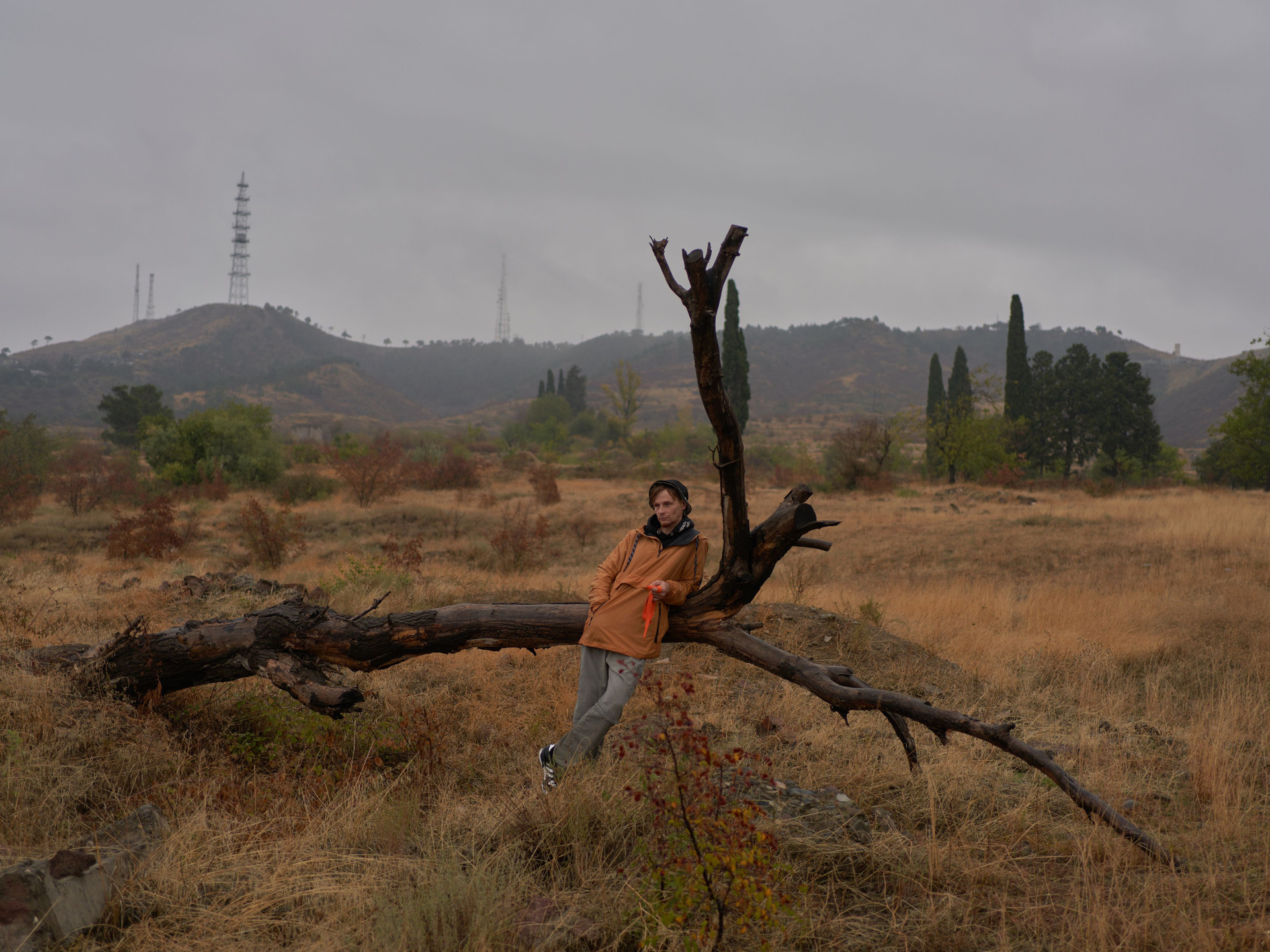
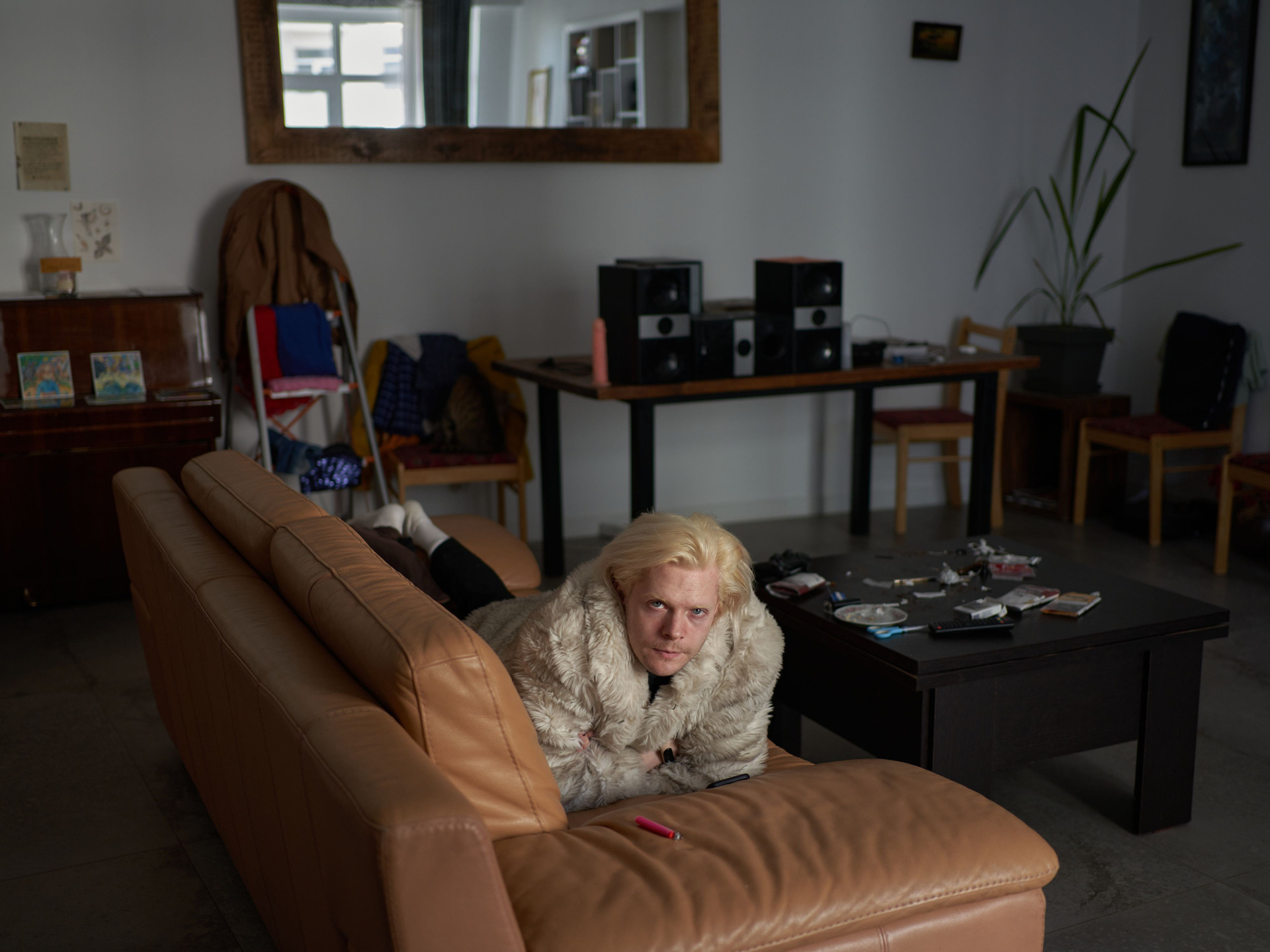
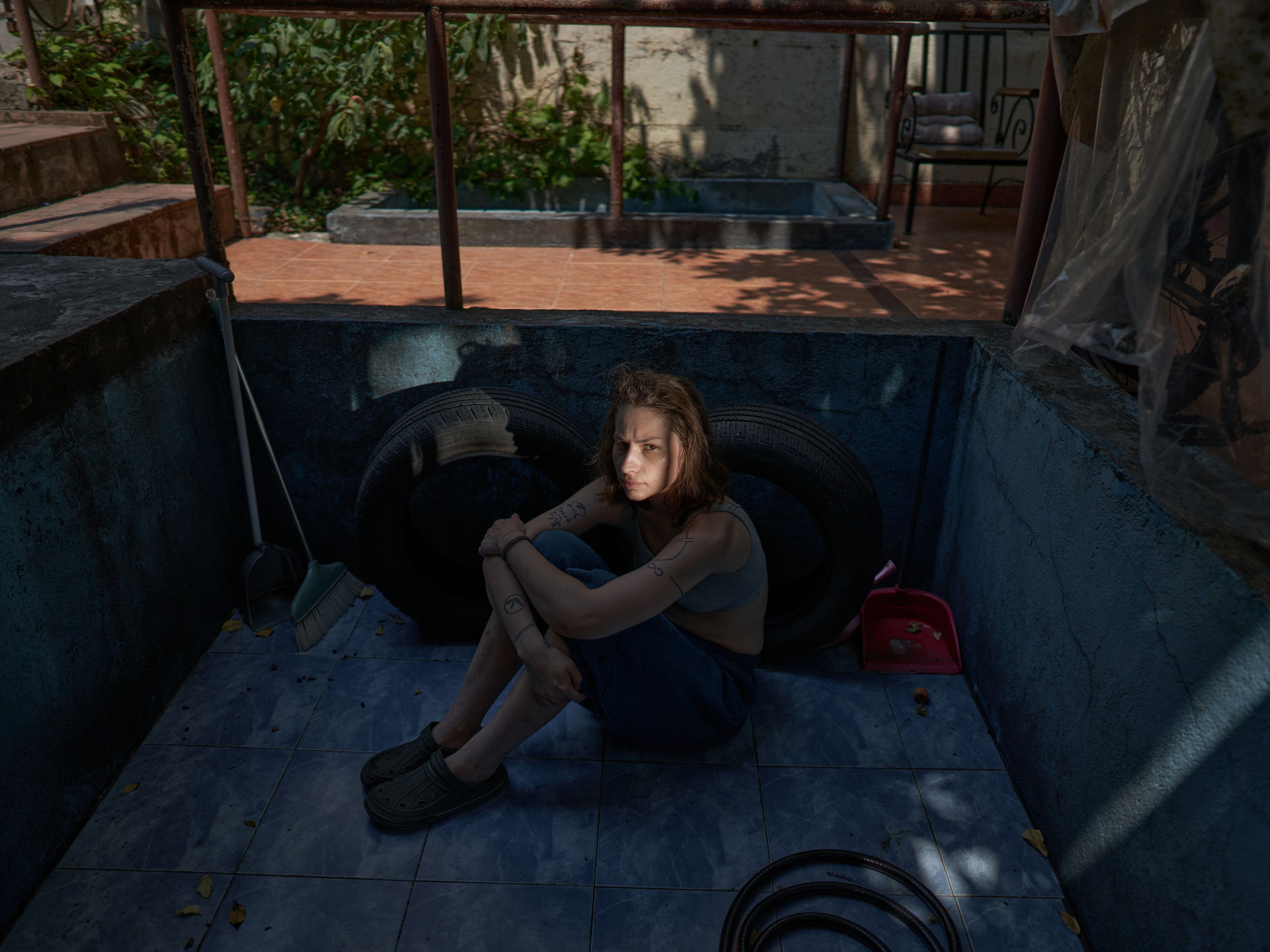
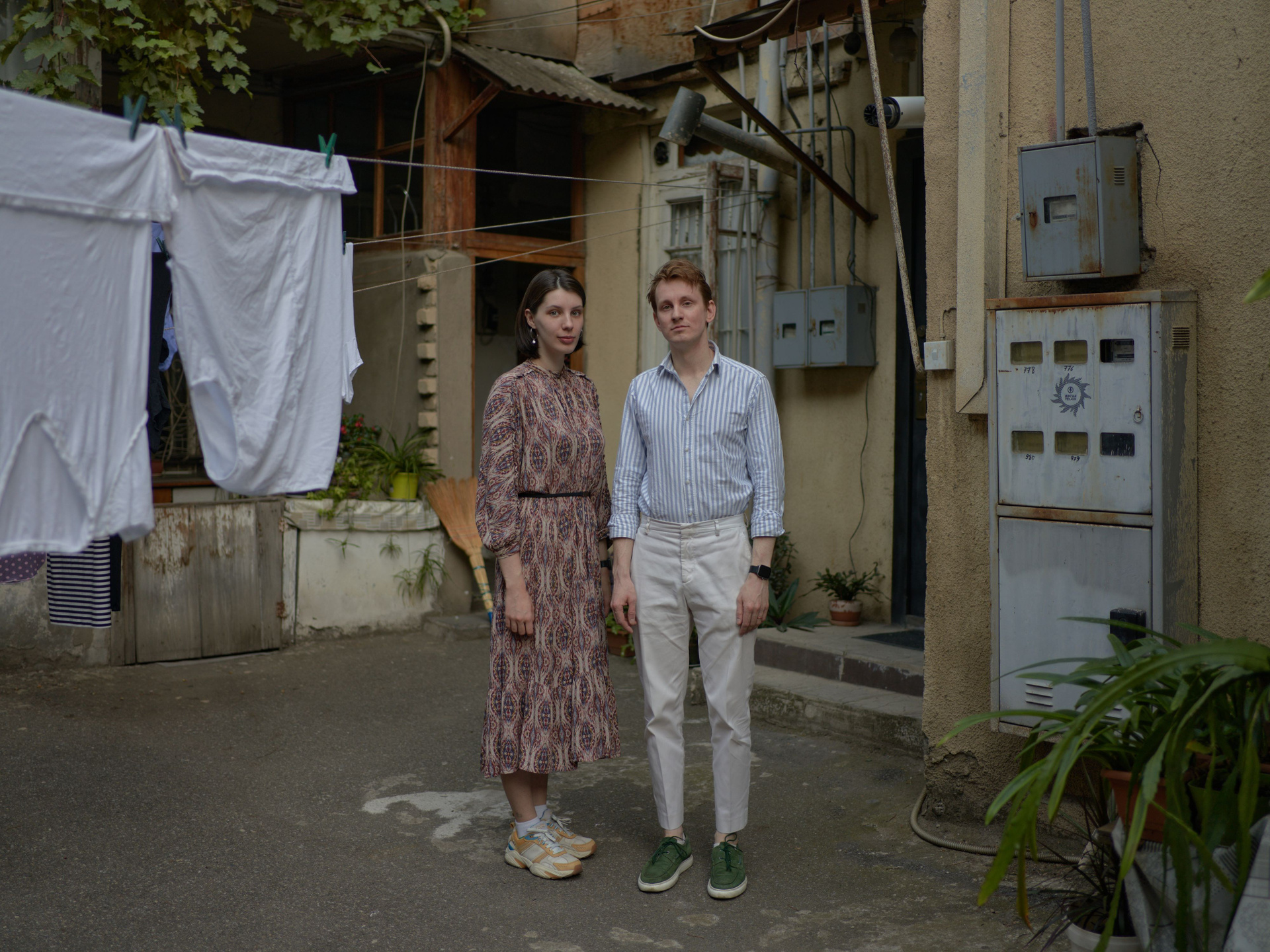
I began Emigrussian in Tbilisi in 2022, after Russia’s full-scale invasion of Ukraine.
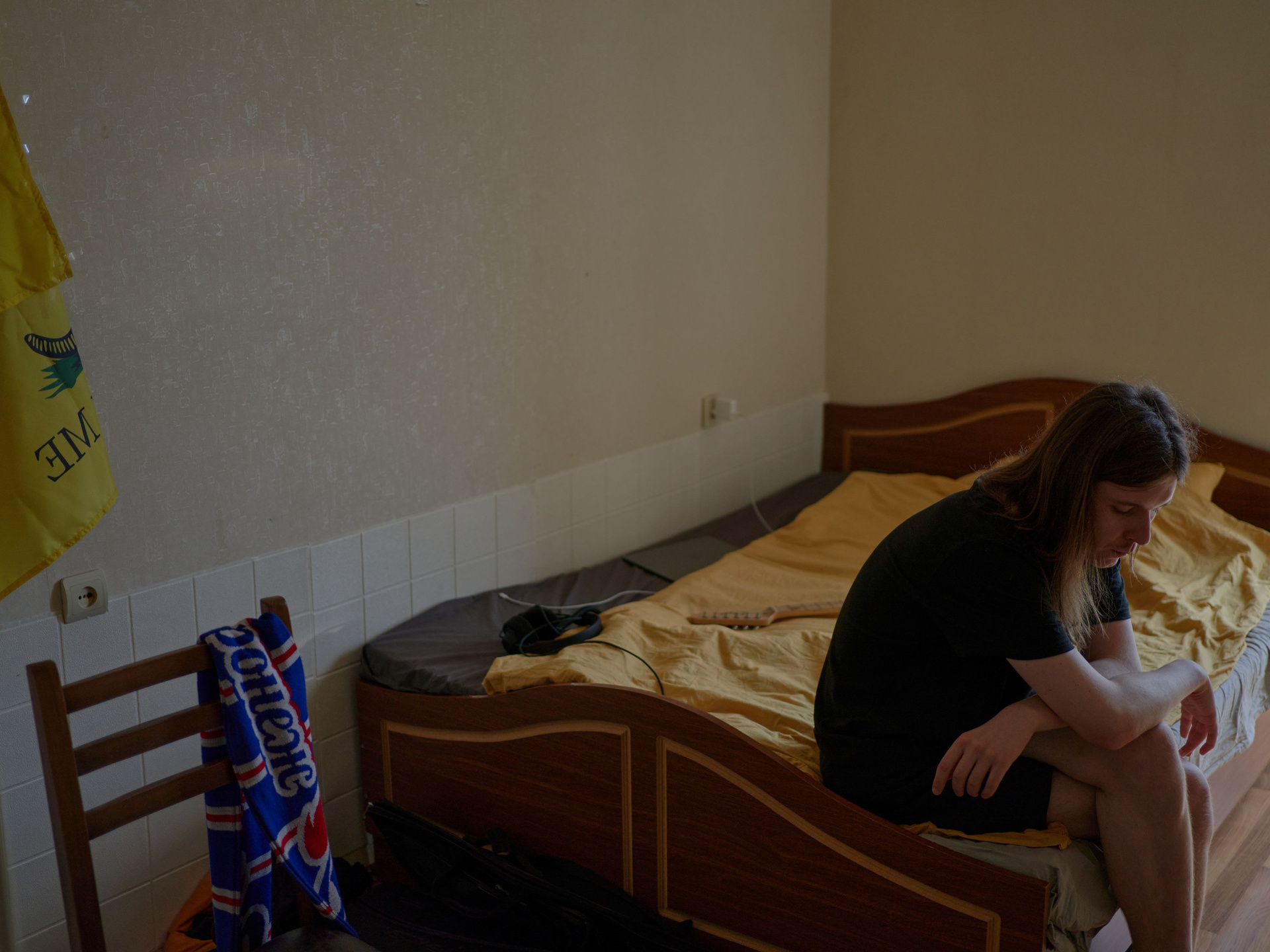
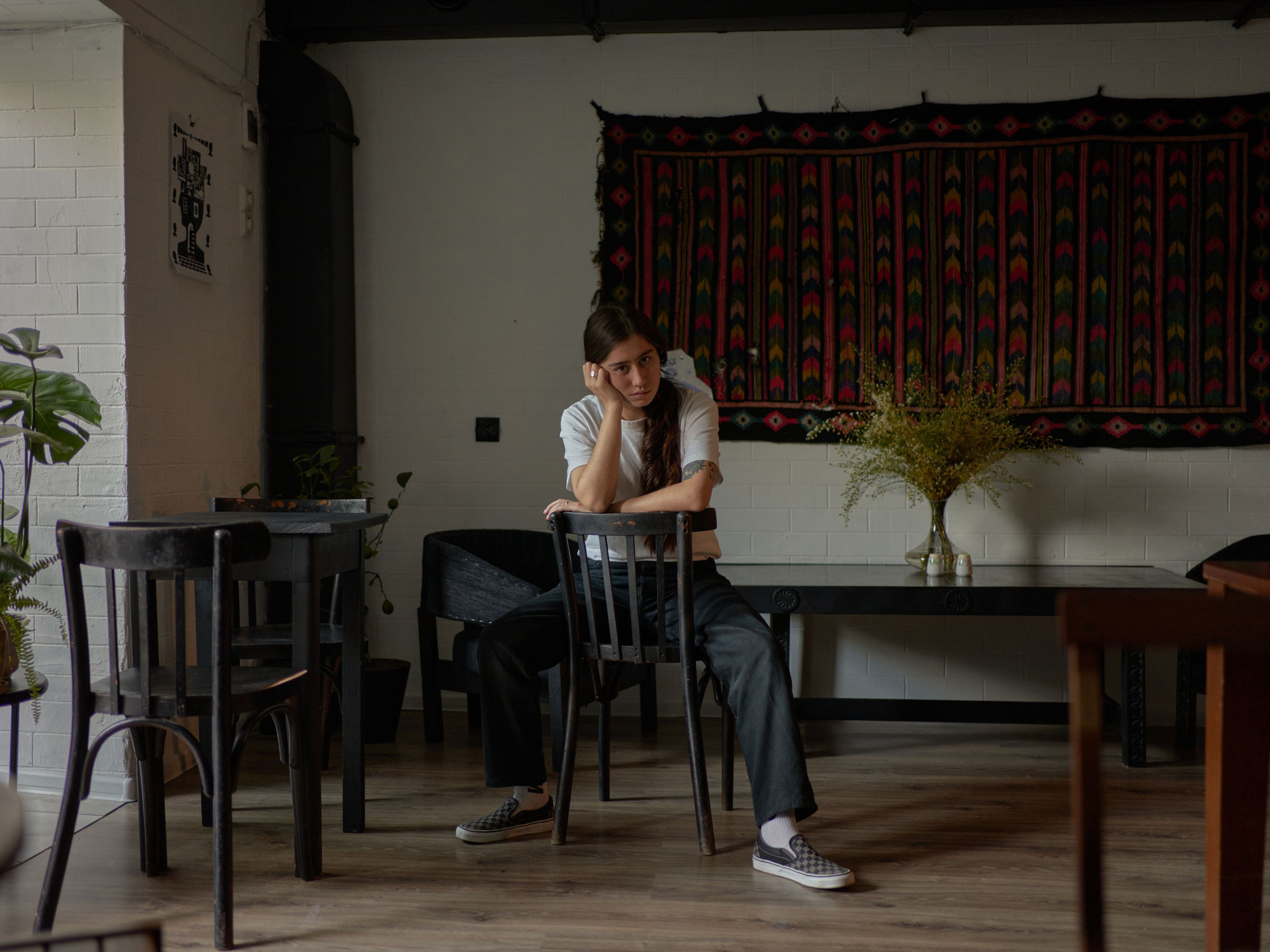
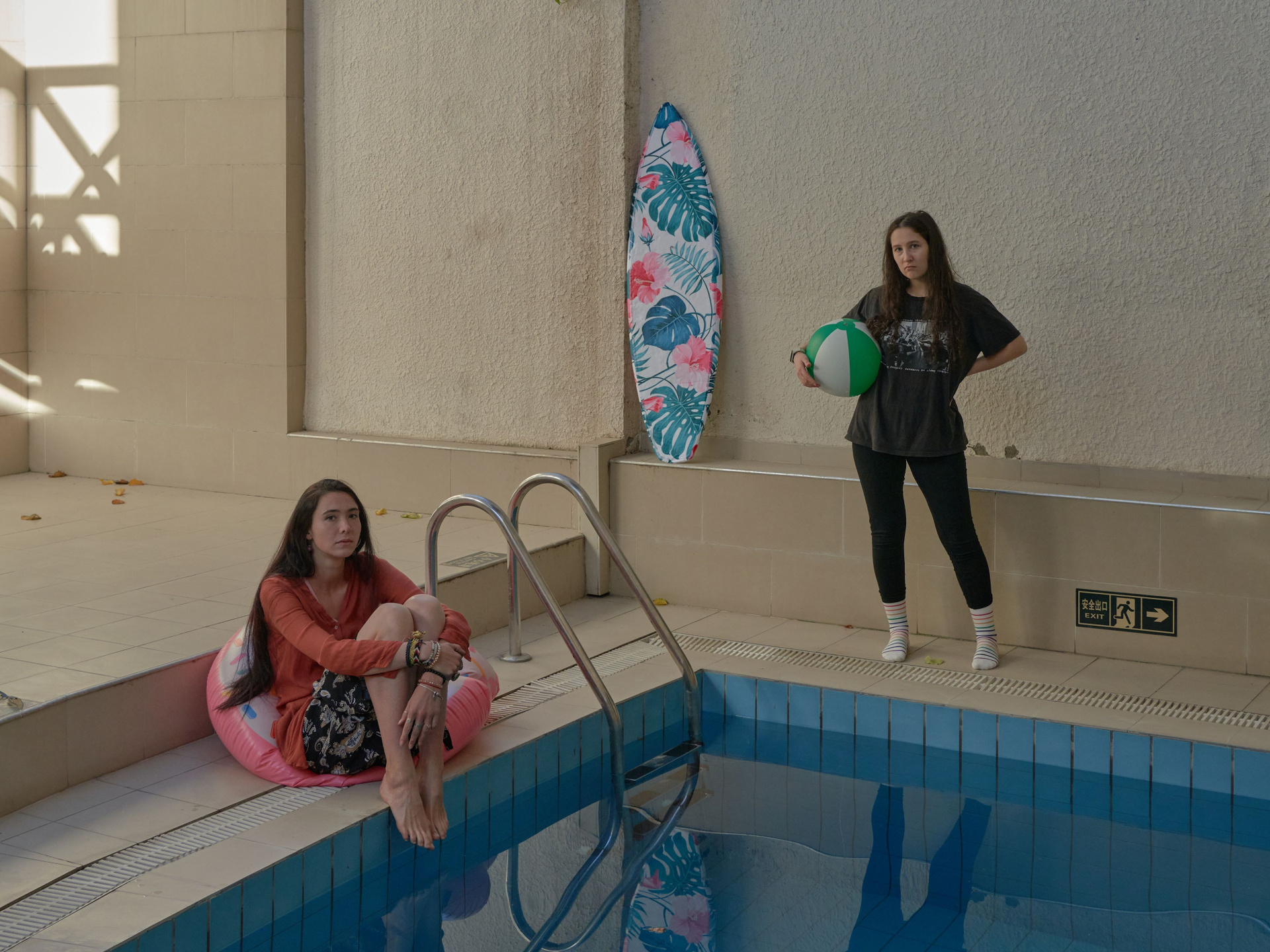
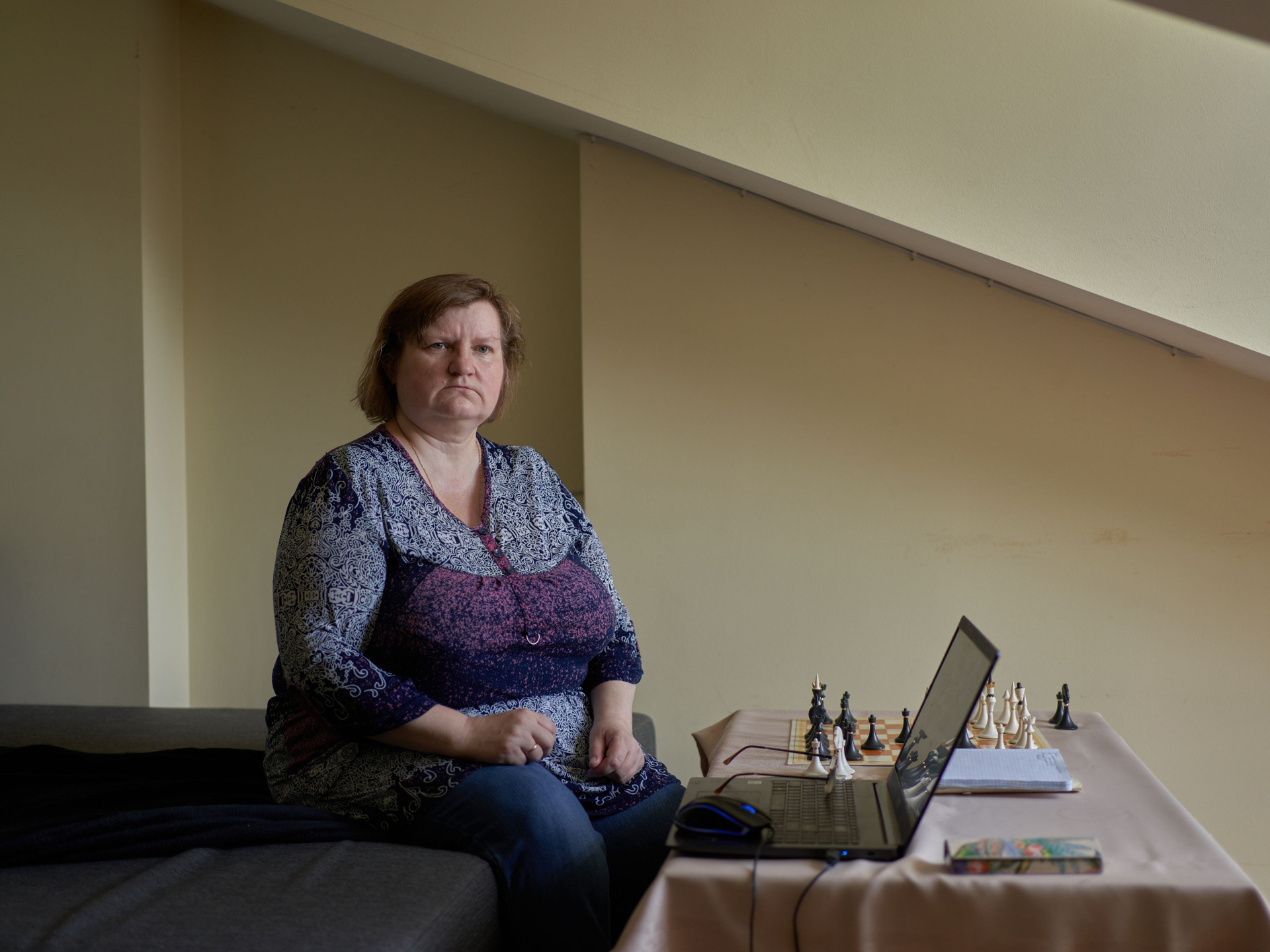
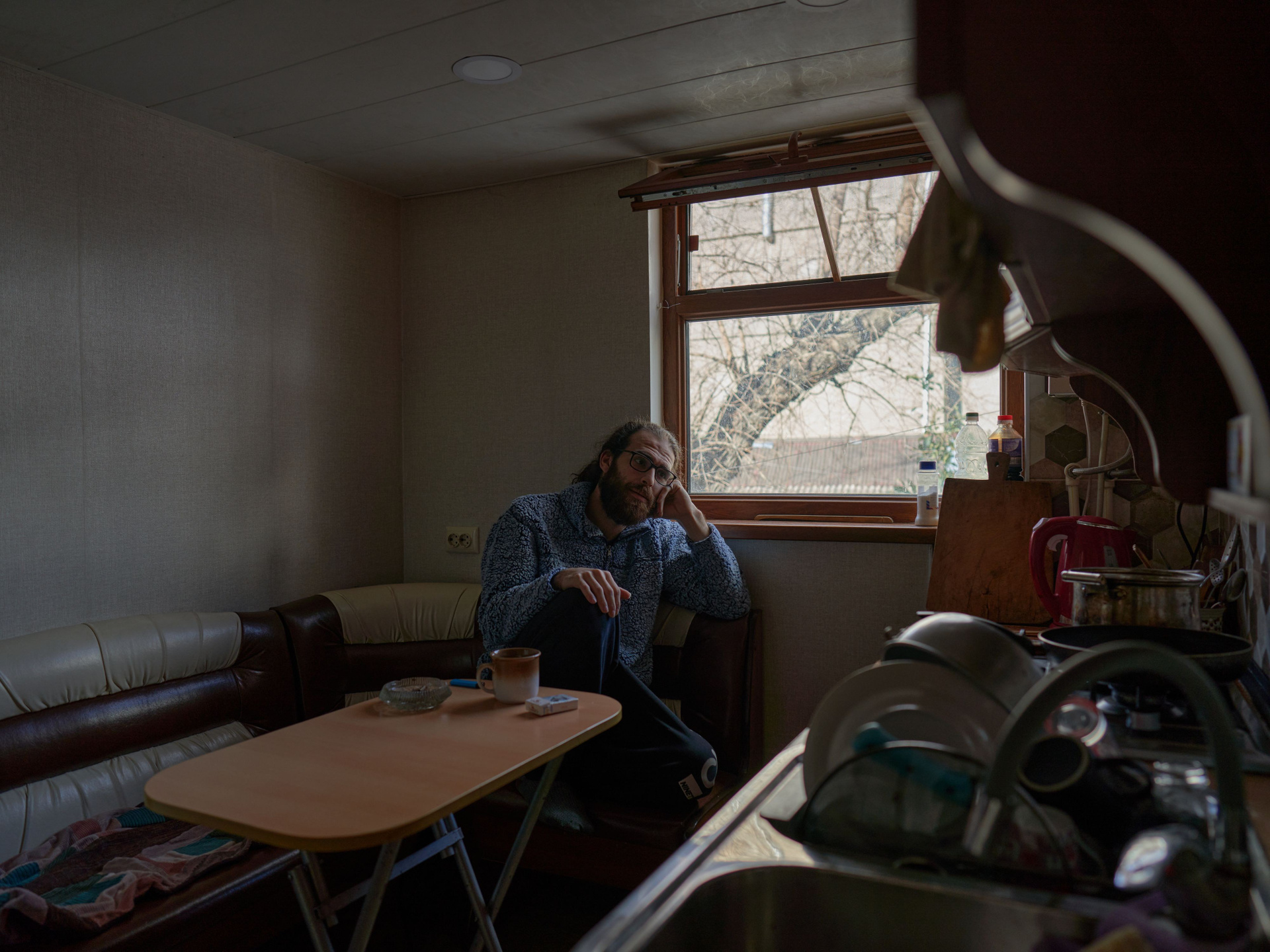
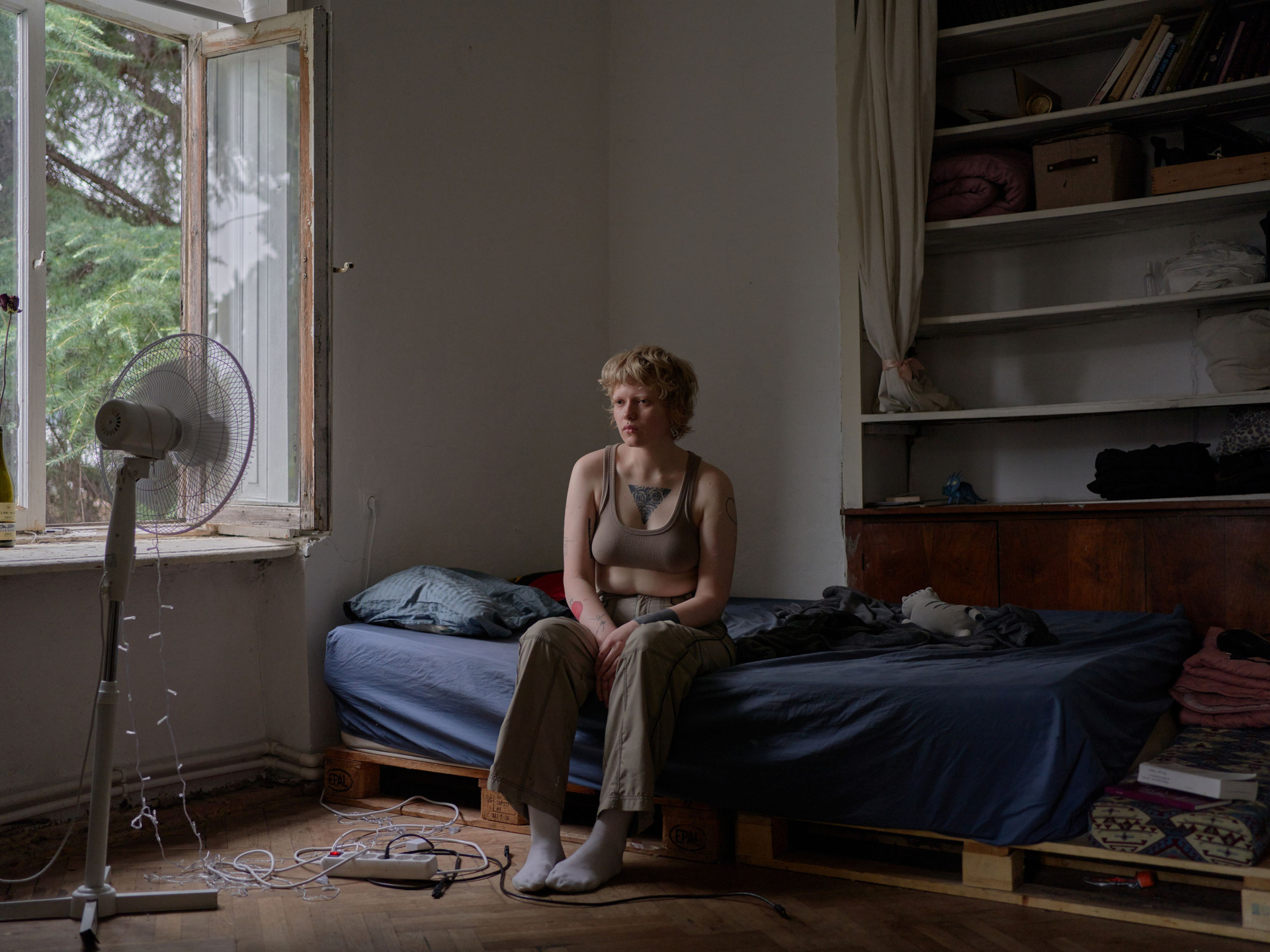
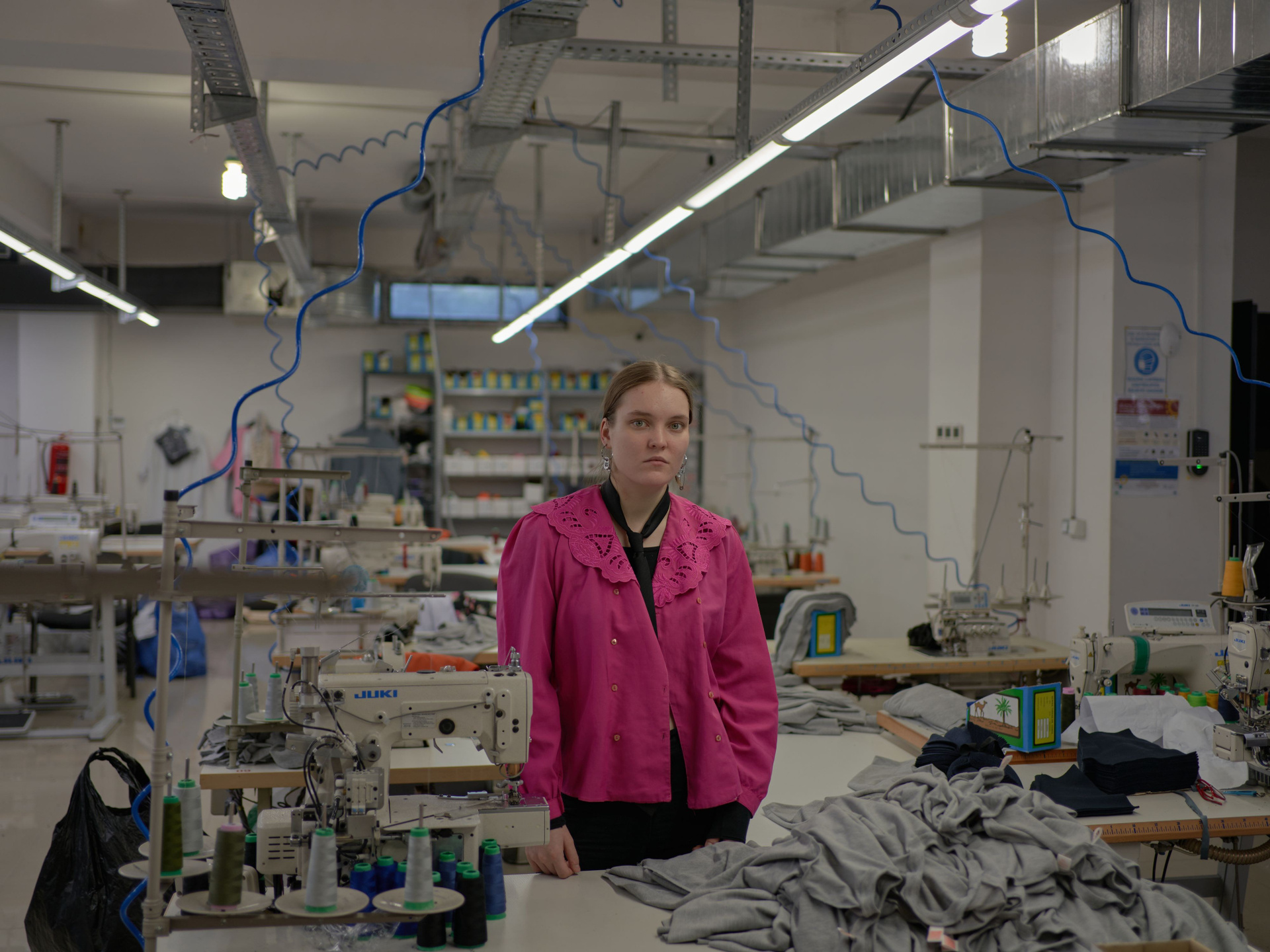
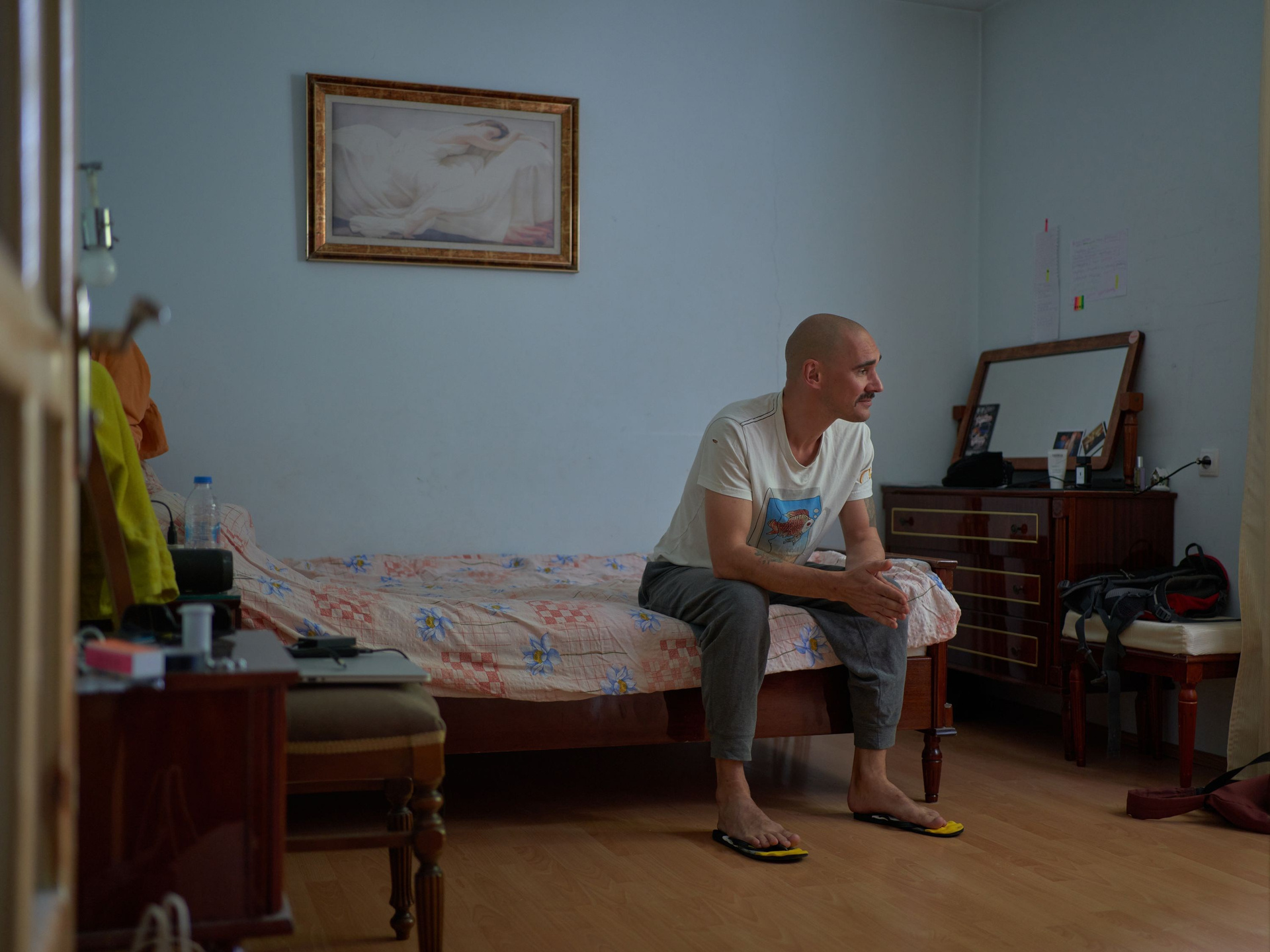
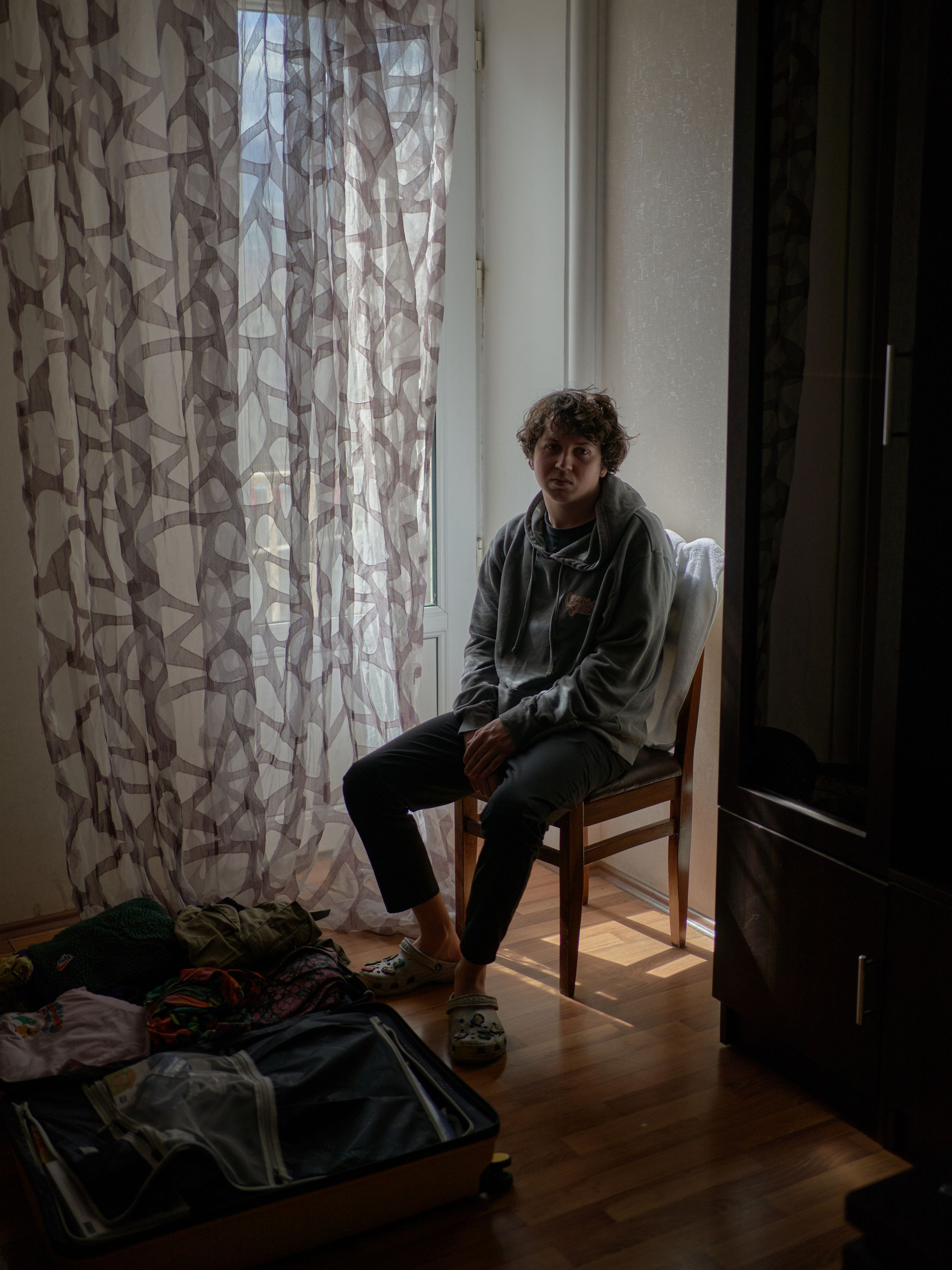
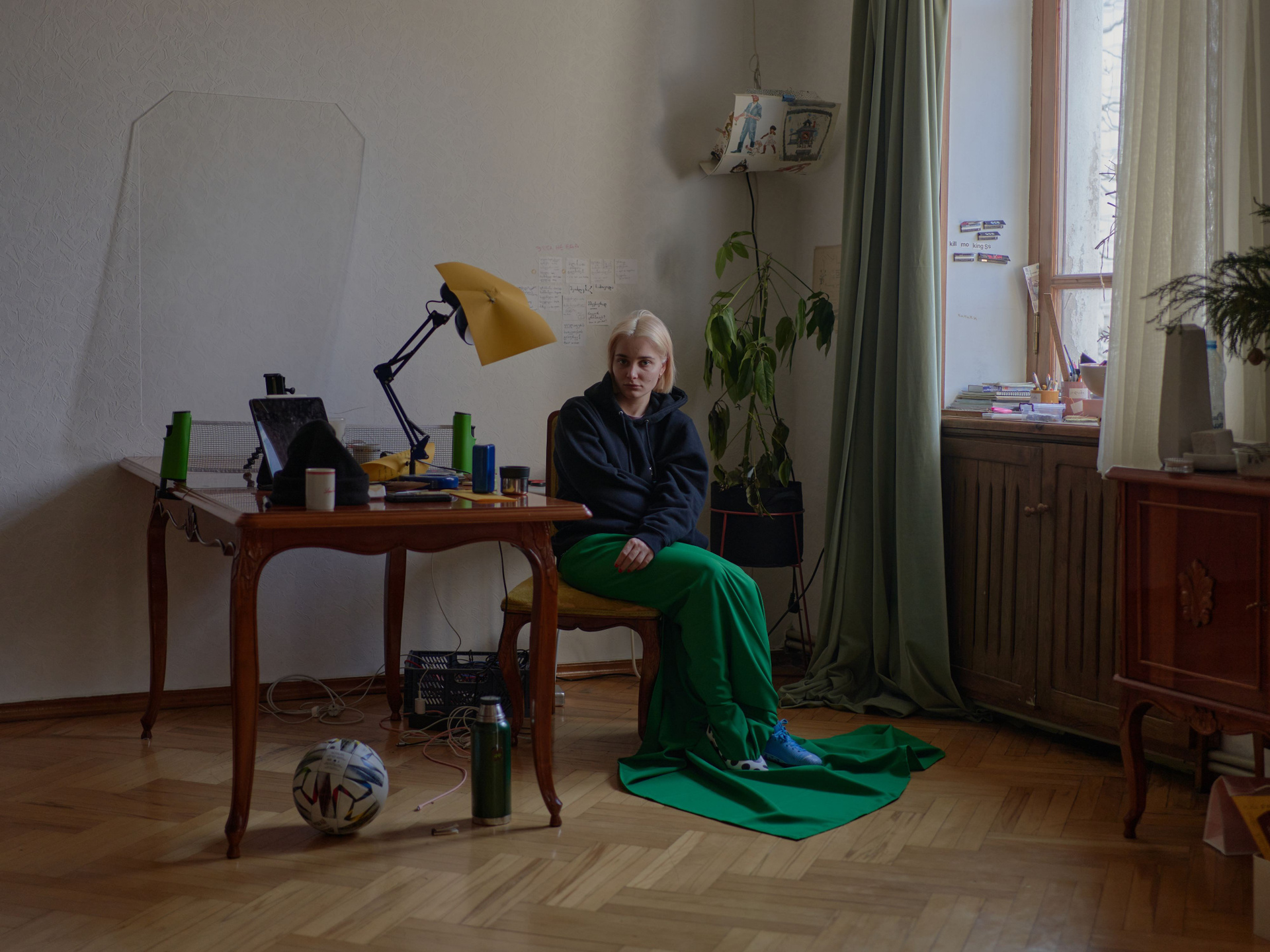
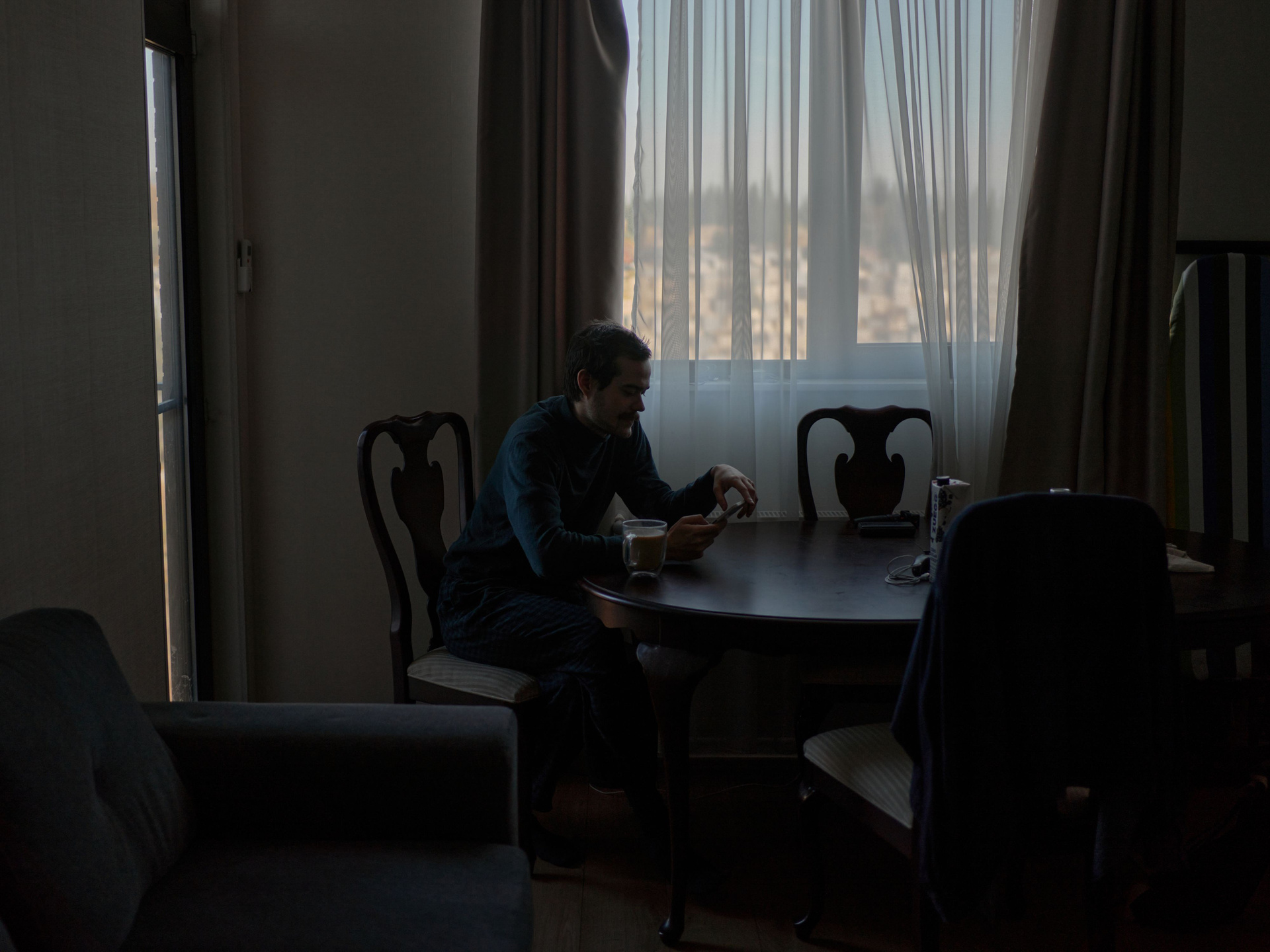
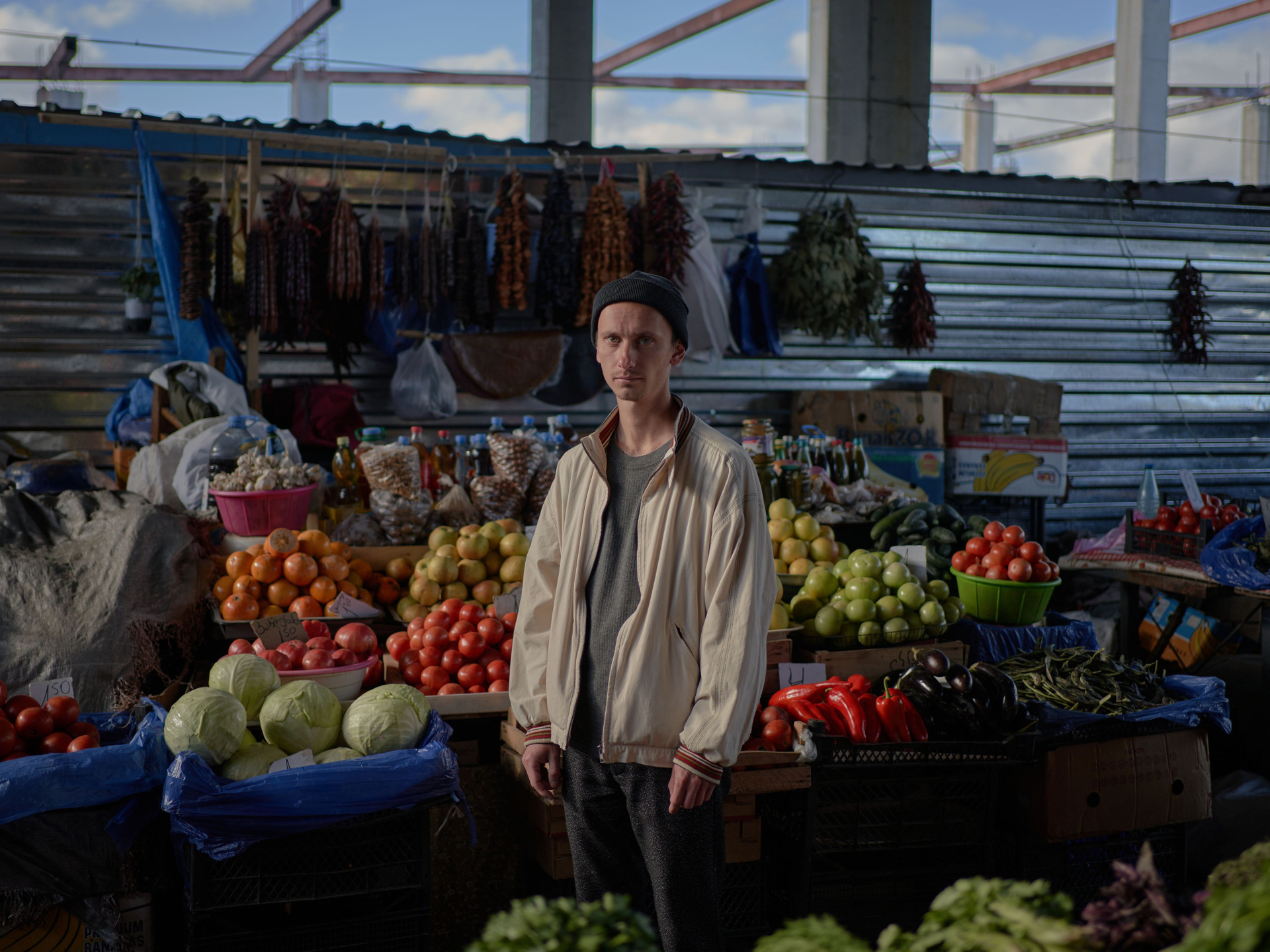
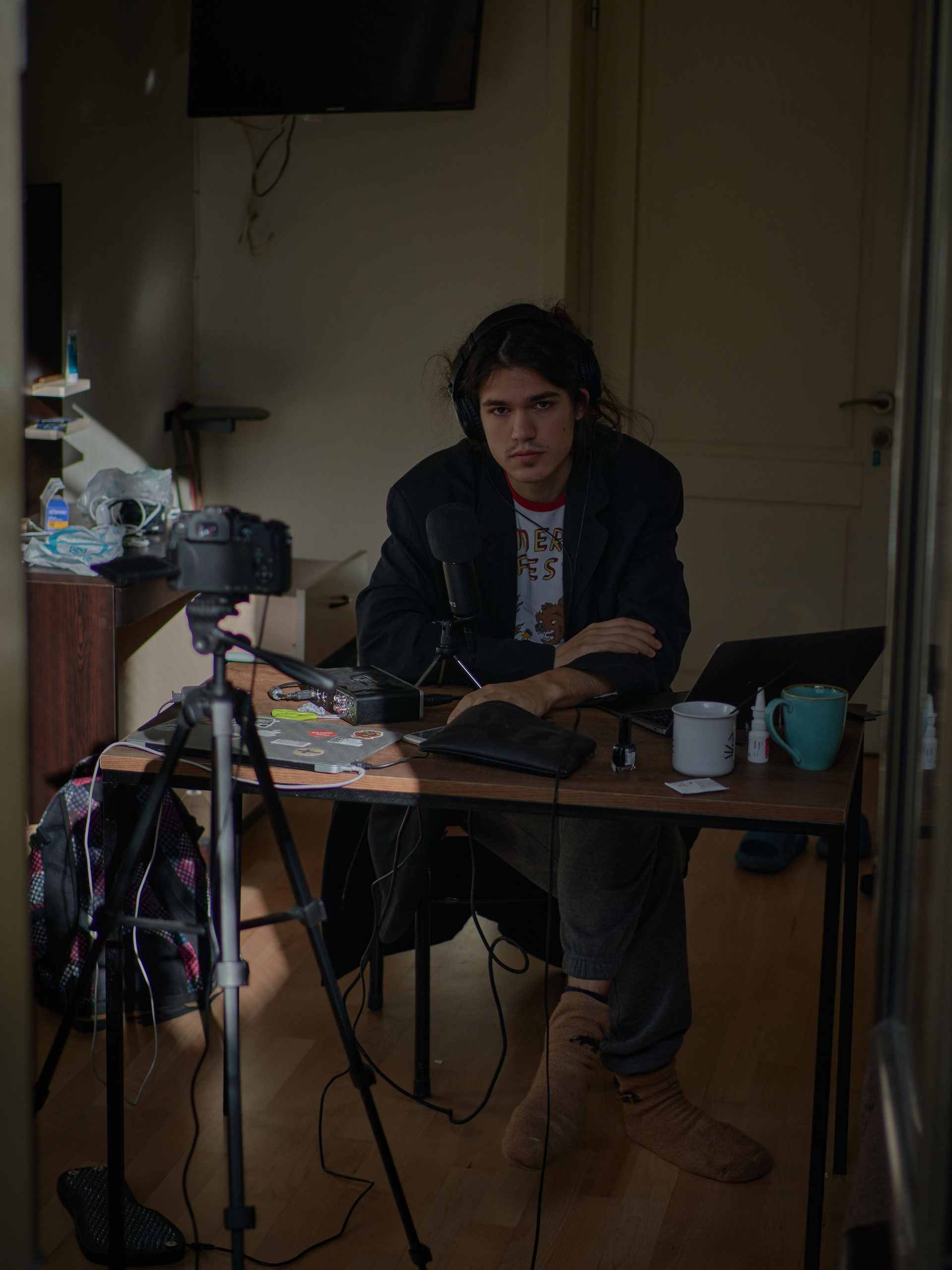
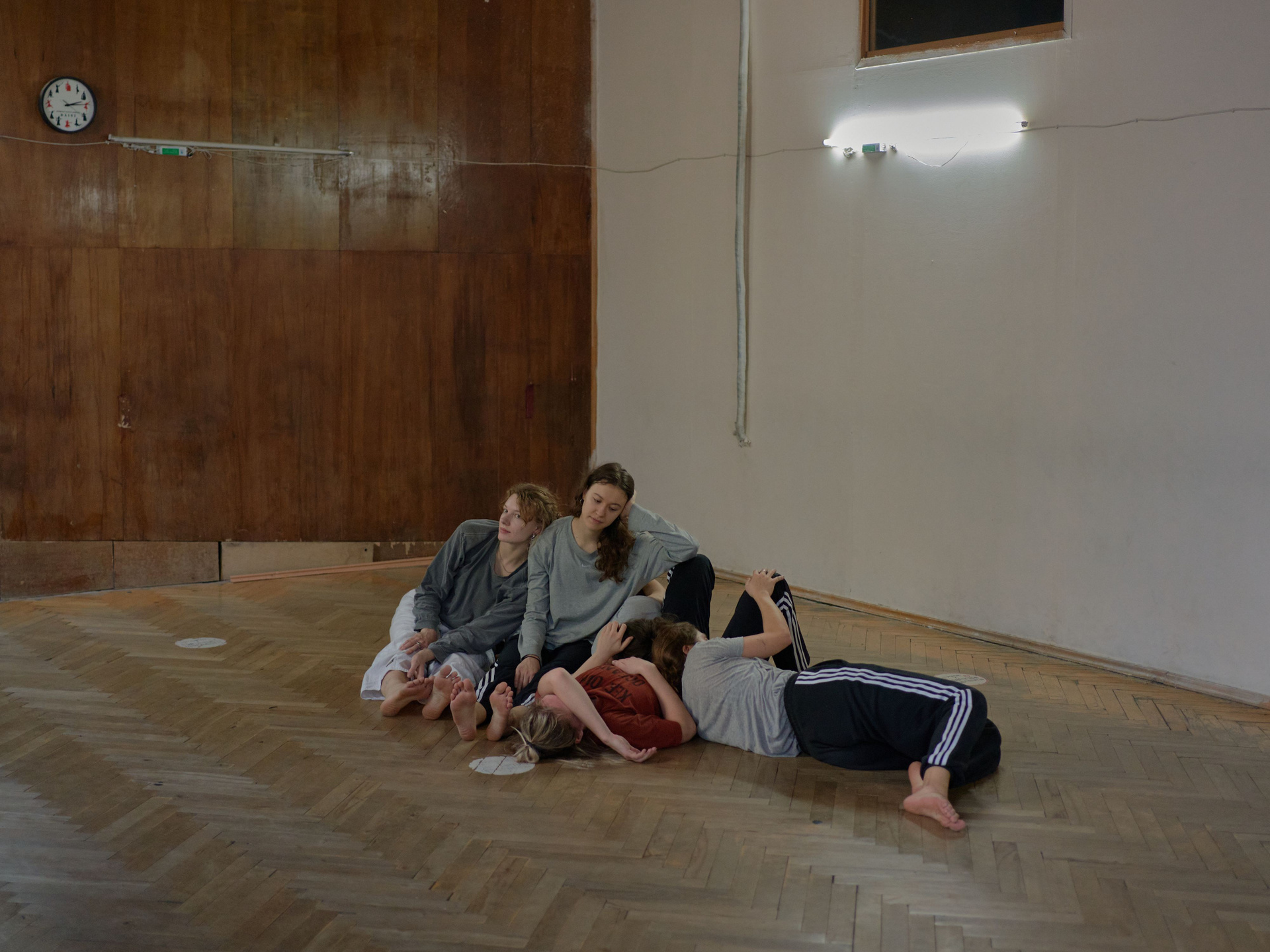
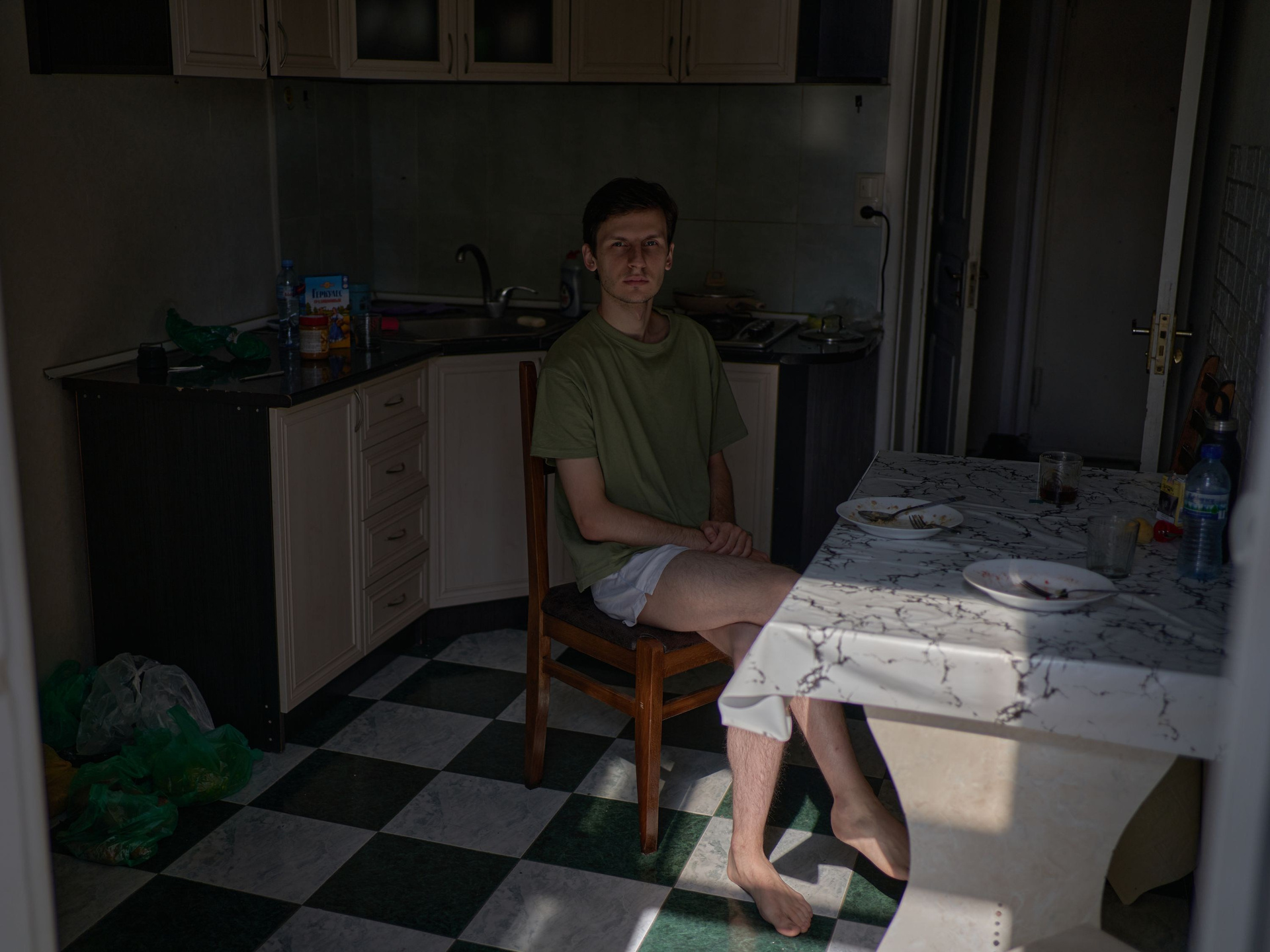
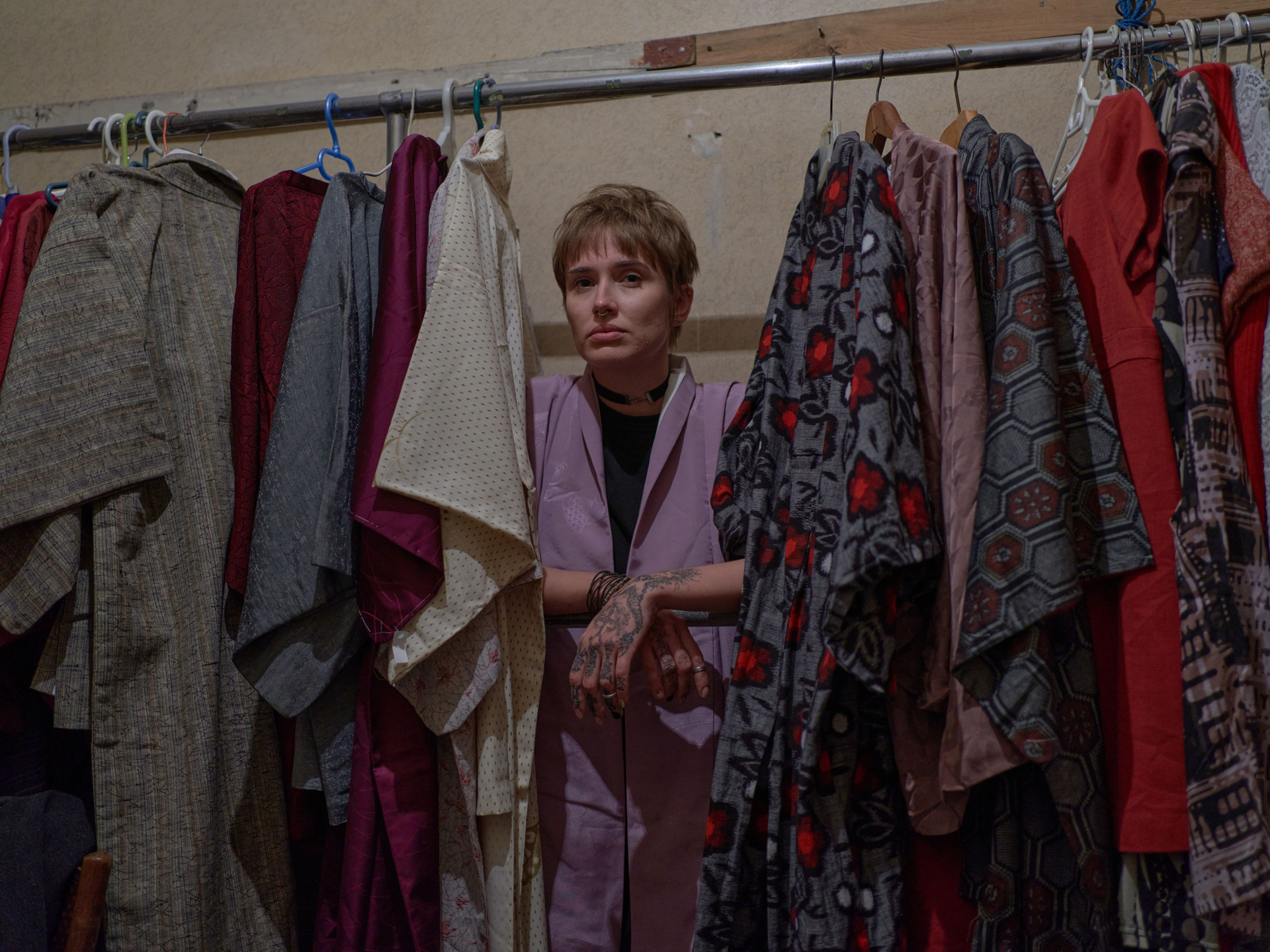
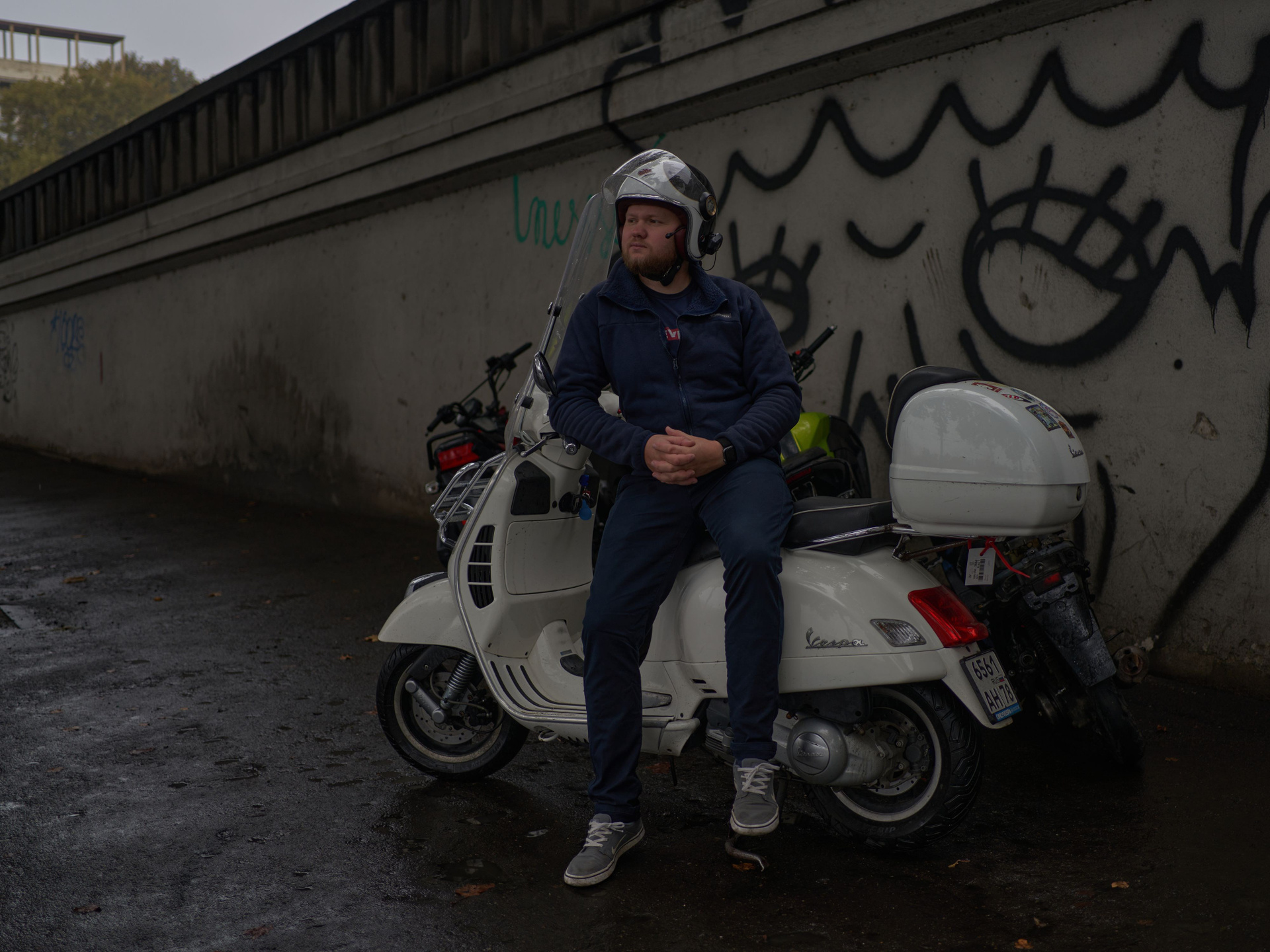
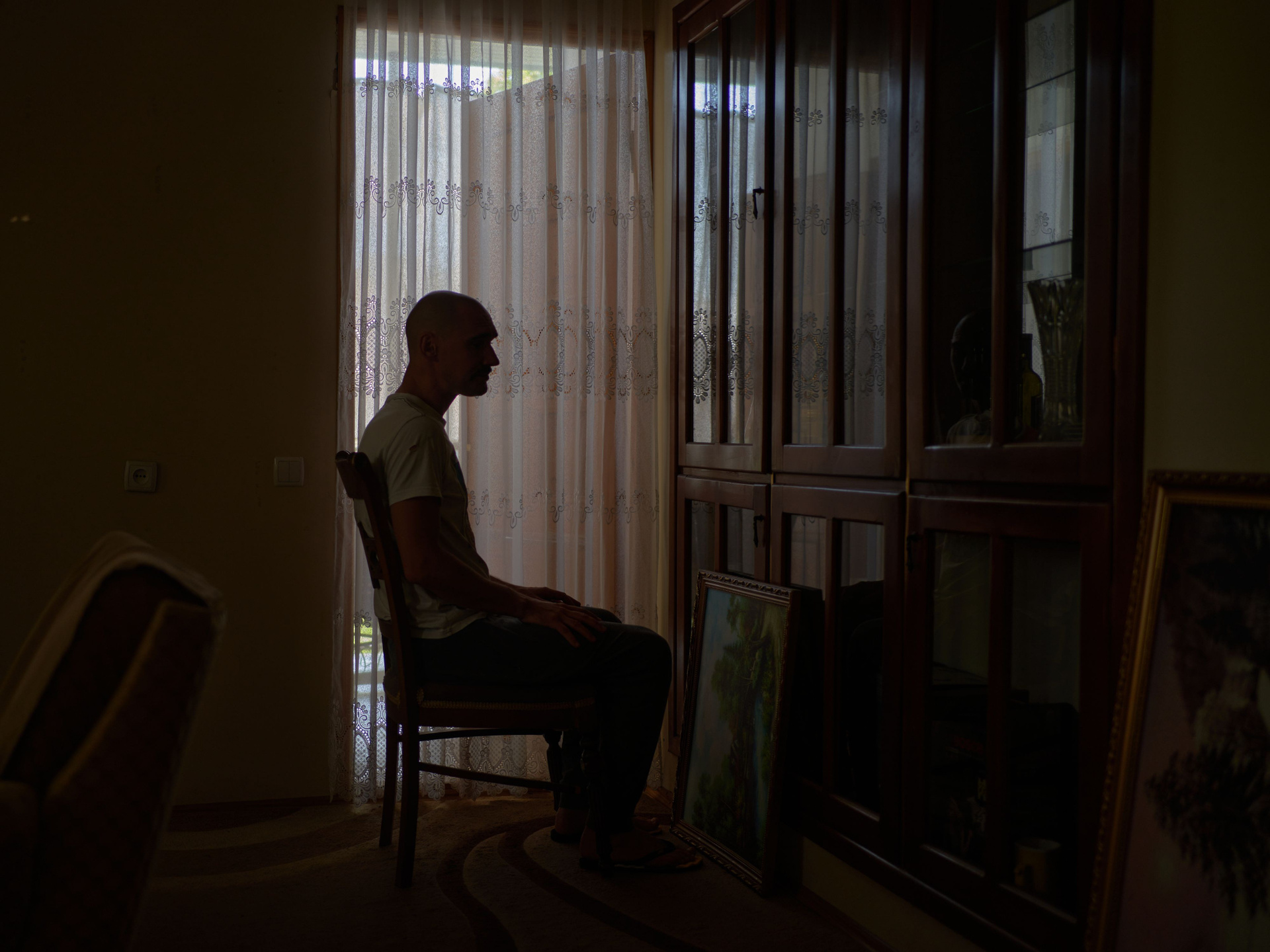
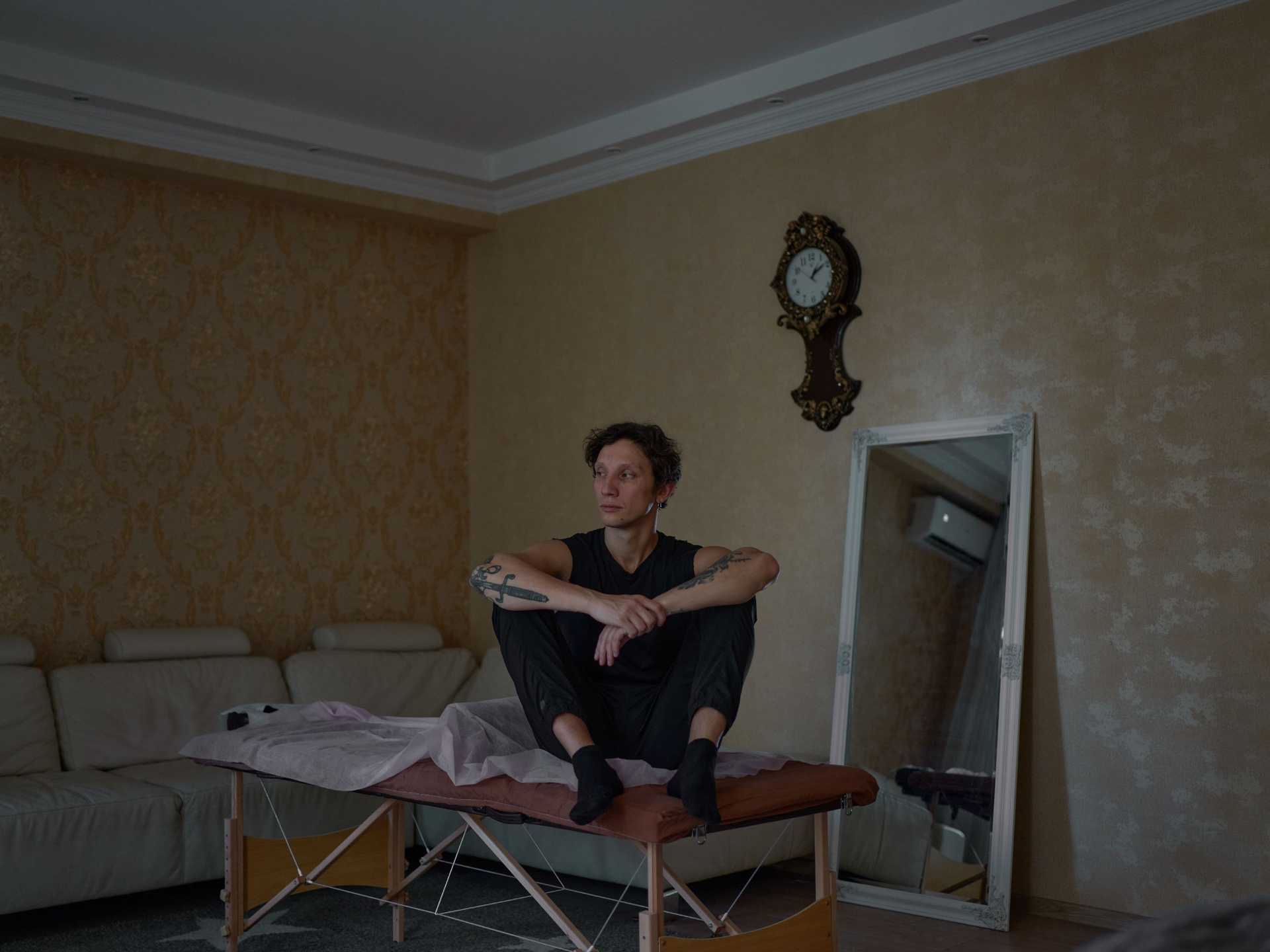
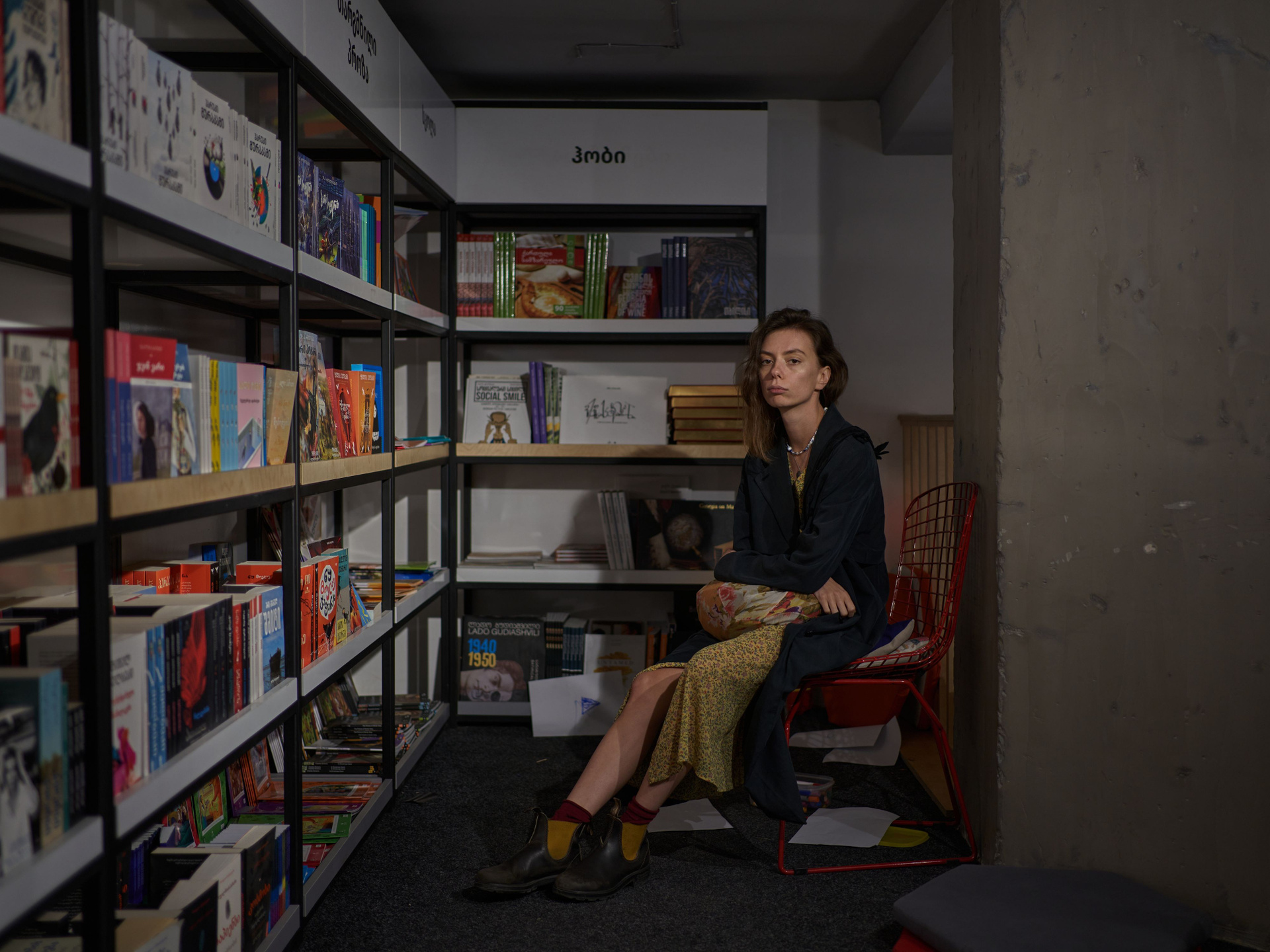
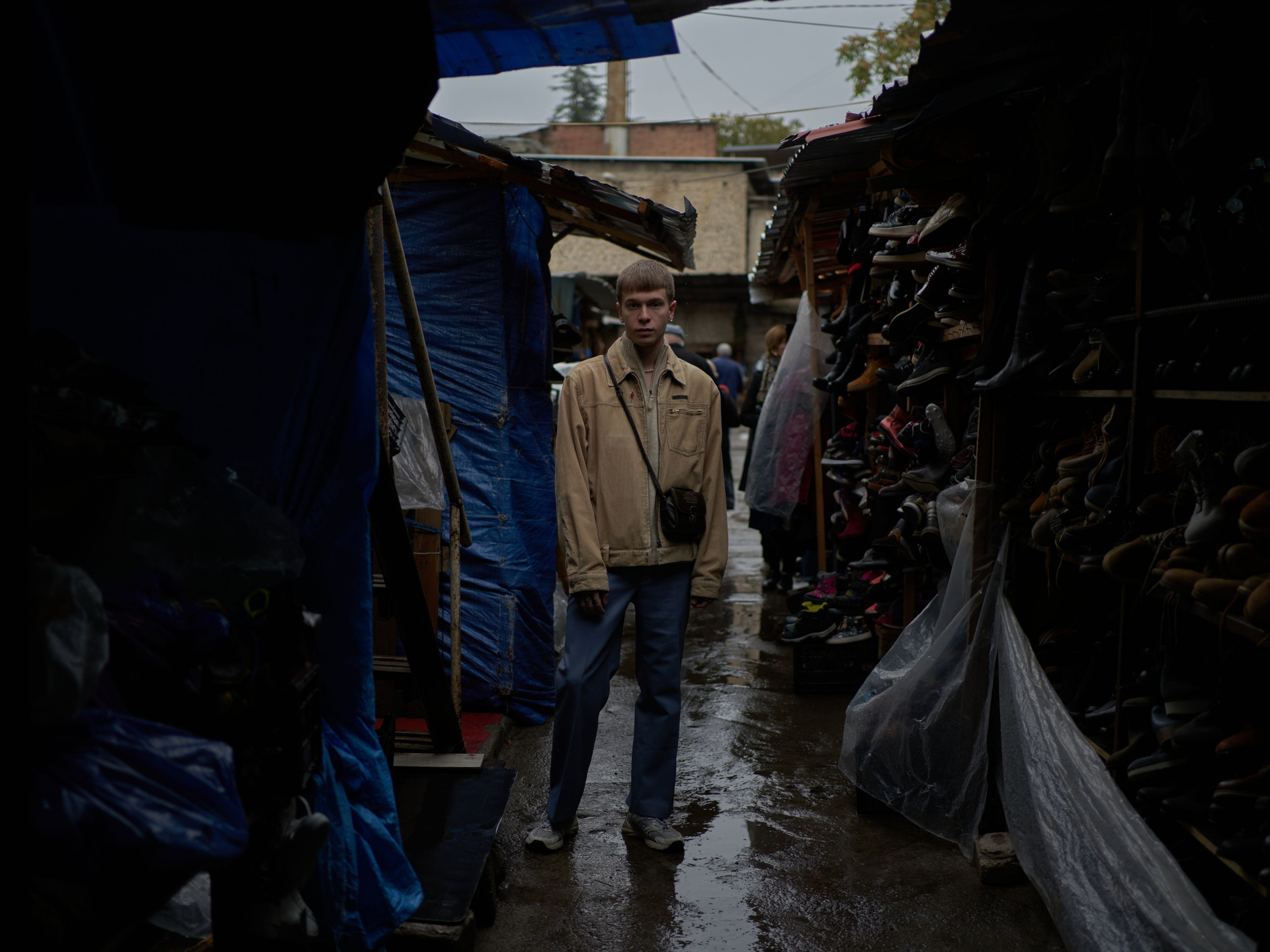
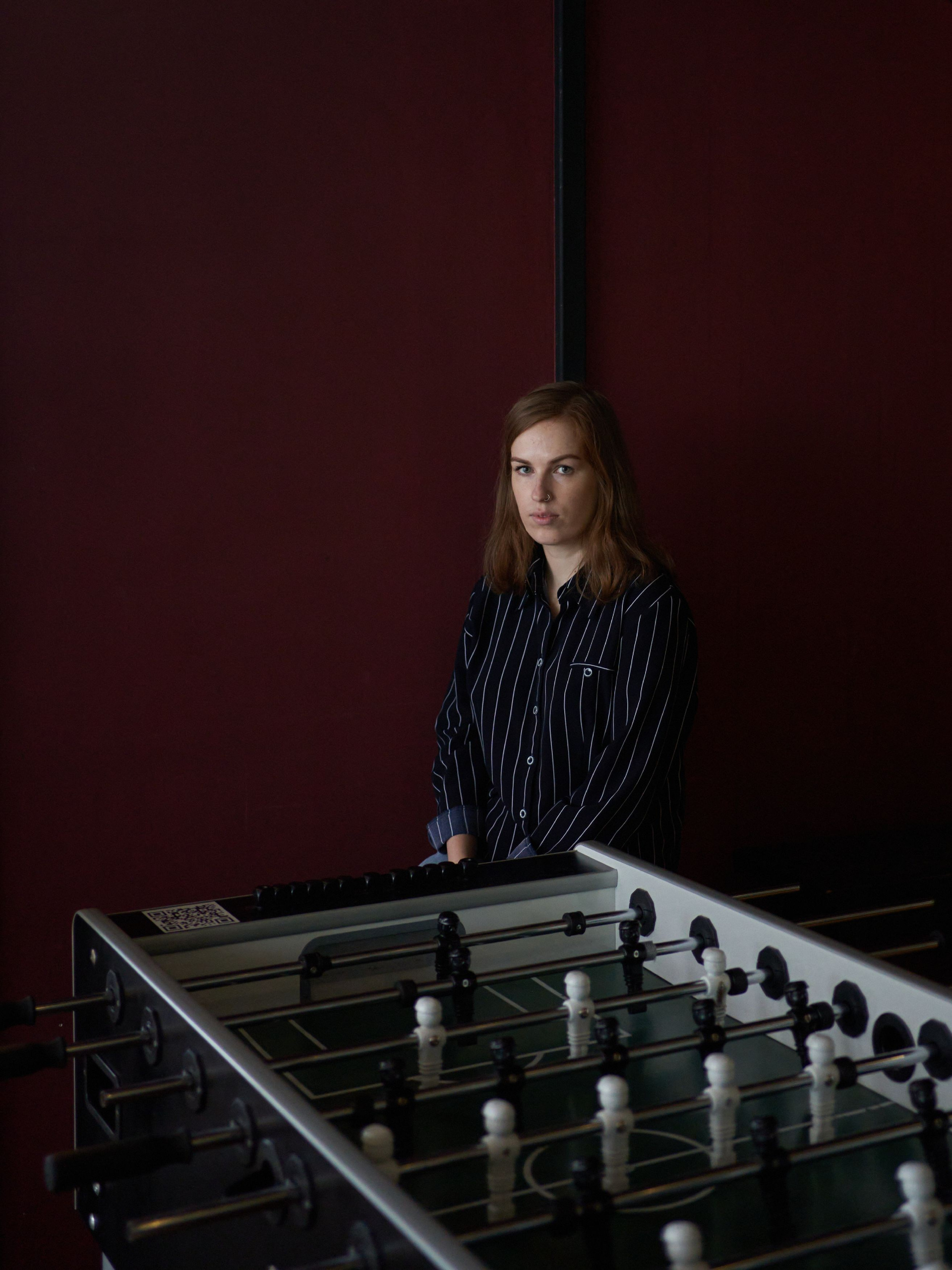
I photographed people who had recently left Russia. They were living in rented apartments, hotel rooms, colivings, workshops and cafés. Most of these places were described as temporary, even after they had begun to look lived in. The first photographs were made close to the moment of departure, when plans changed quickly and almost every conversation included another country.
In 2026, I began a new chapter of the project.
This time, I am looking for people whose lives have taken a particular turn after emigration — through language, family, work, citizenship, another departure, a return, or an unexpected attachment to a place.
I photographed these people not long after they arrived in Georgia. For some, these were their first days in the country. Others had already been there for several months. Almost no one could say for how long.
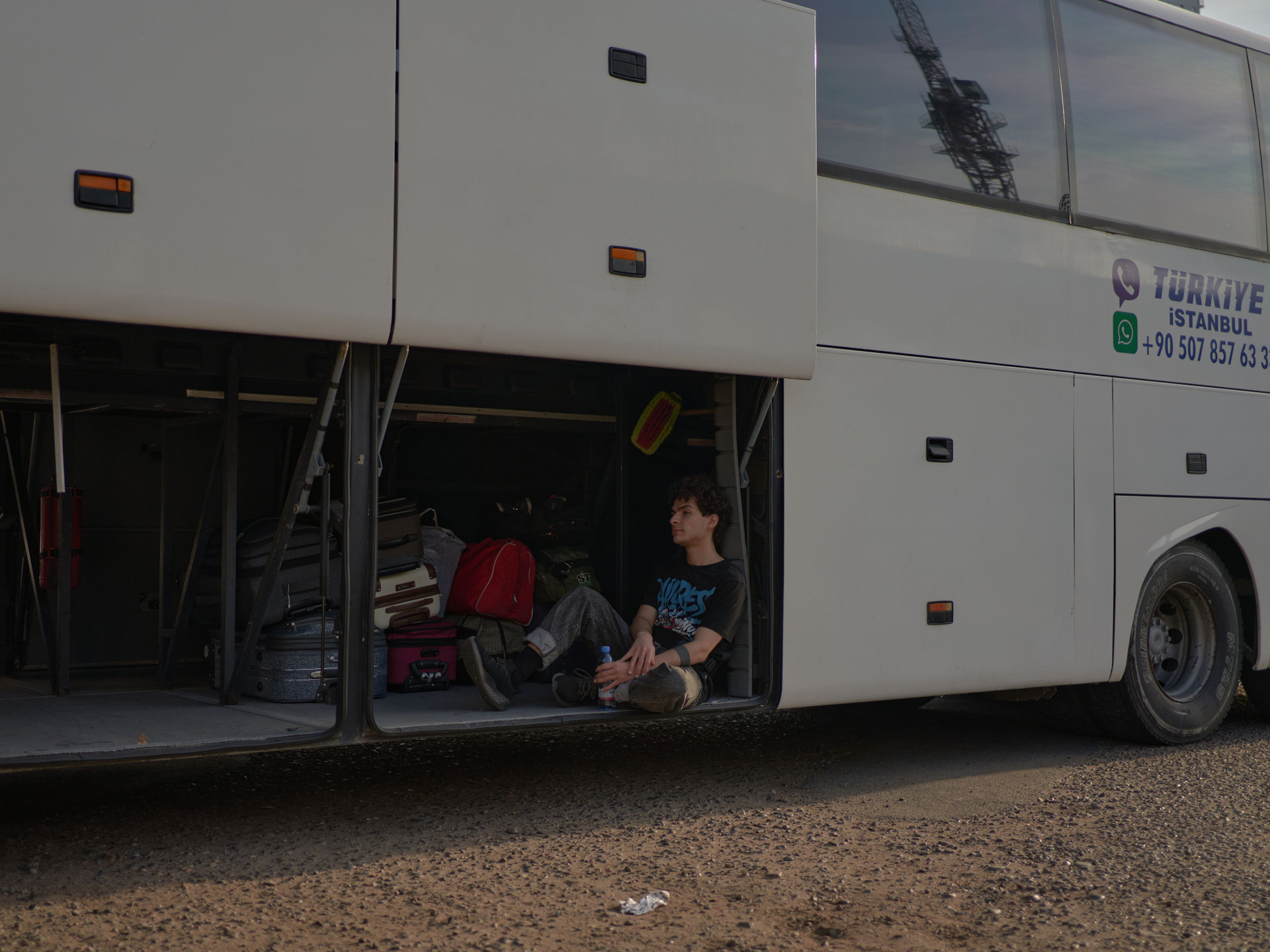
Some left after the war began. Others left when mobilization was announced. One person crossed the border on a bicycle. Another left behind a house he had been building for himself. Families found themselves in different countries, while plans depended on visas, documents and the news.
For many, Tbilisi was not a new home but a place to pause: somewhere to rent a room, open a laptop, catch their breath and decide where to go next.
Some continued working remotely. Others took shifts in cafés, bars and factories, rebuilt private practices, or looked for people with whom they could continue doing the work they had done before.
Life settled into place faster than the answers did. Familiar routes, favorite places, friendships and routines began to form. Rooms filled with dishes, plants, books, dogs, and things no one particularly wanted to pack into a suitcase again.
And yet, everything was still described as temporary.
These photographs were made at a moment when departure had already happened, but the new life had not yet become anything definite.
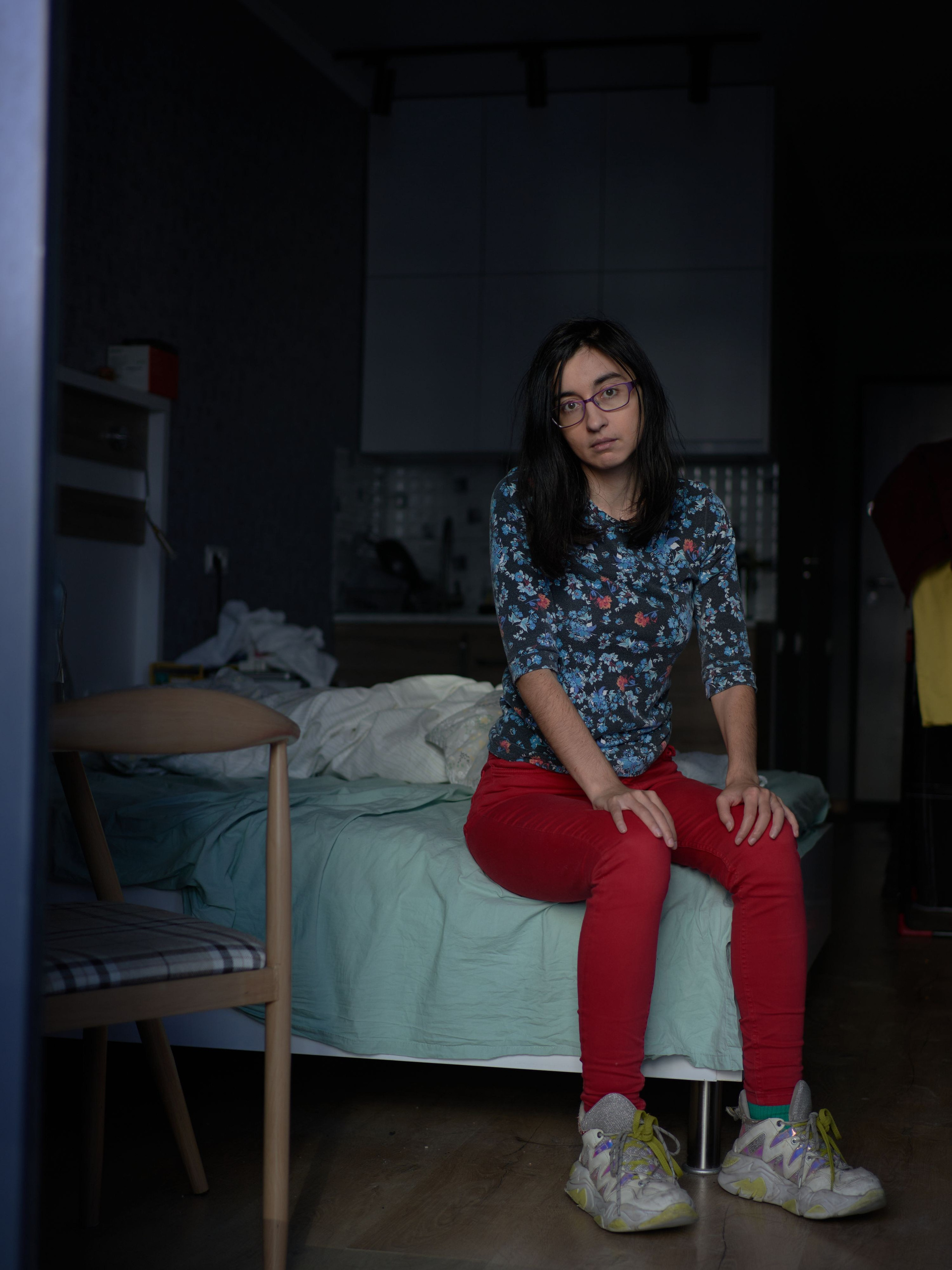
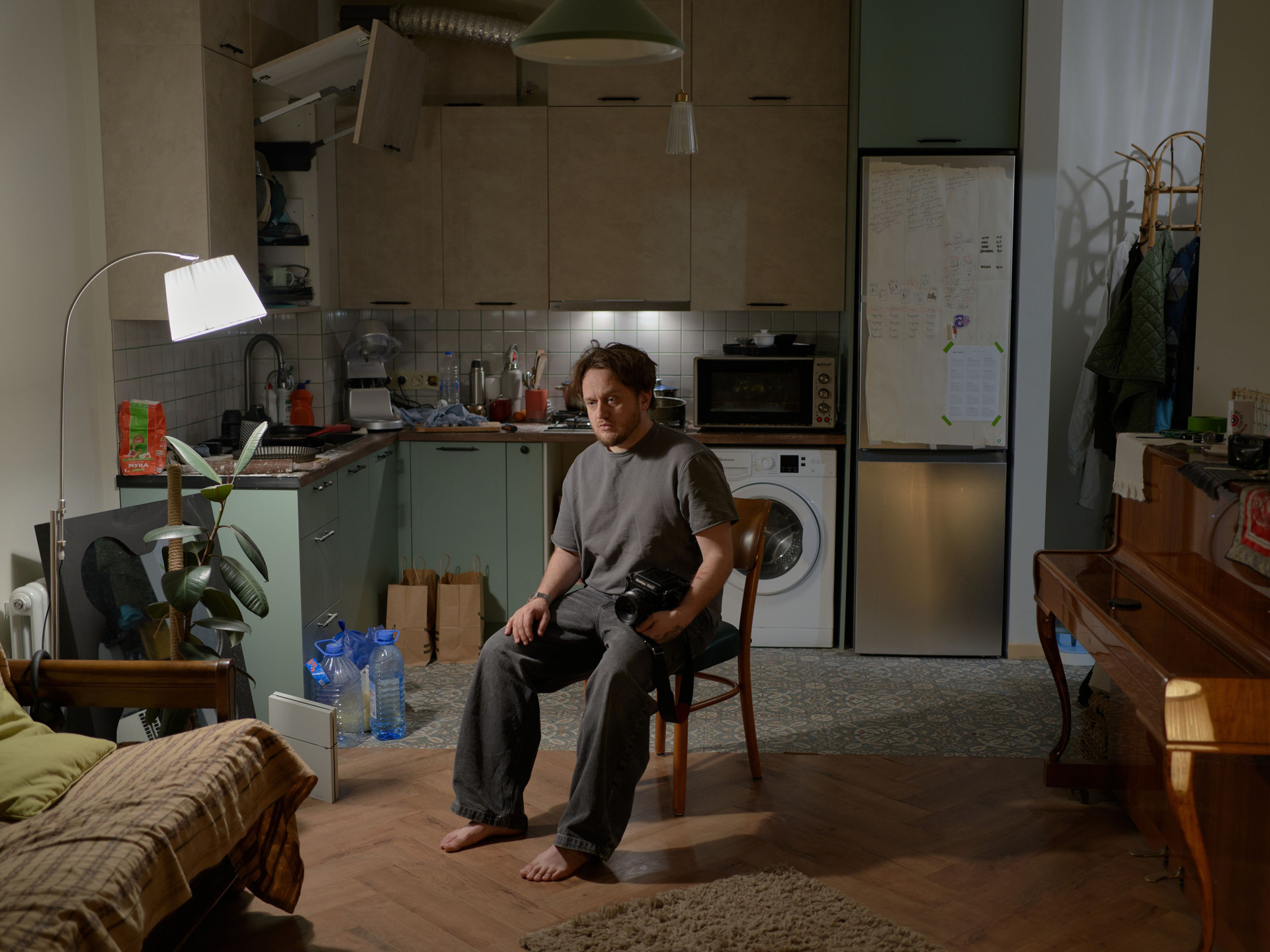
THE WORD
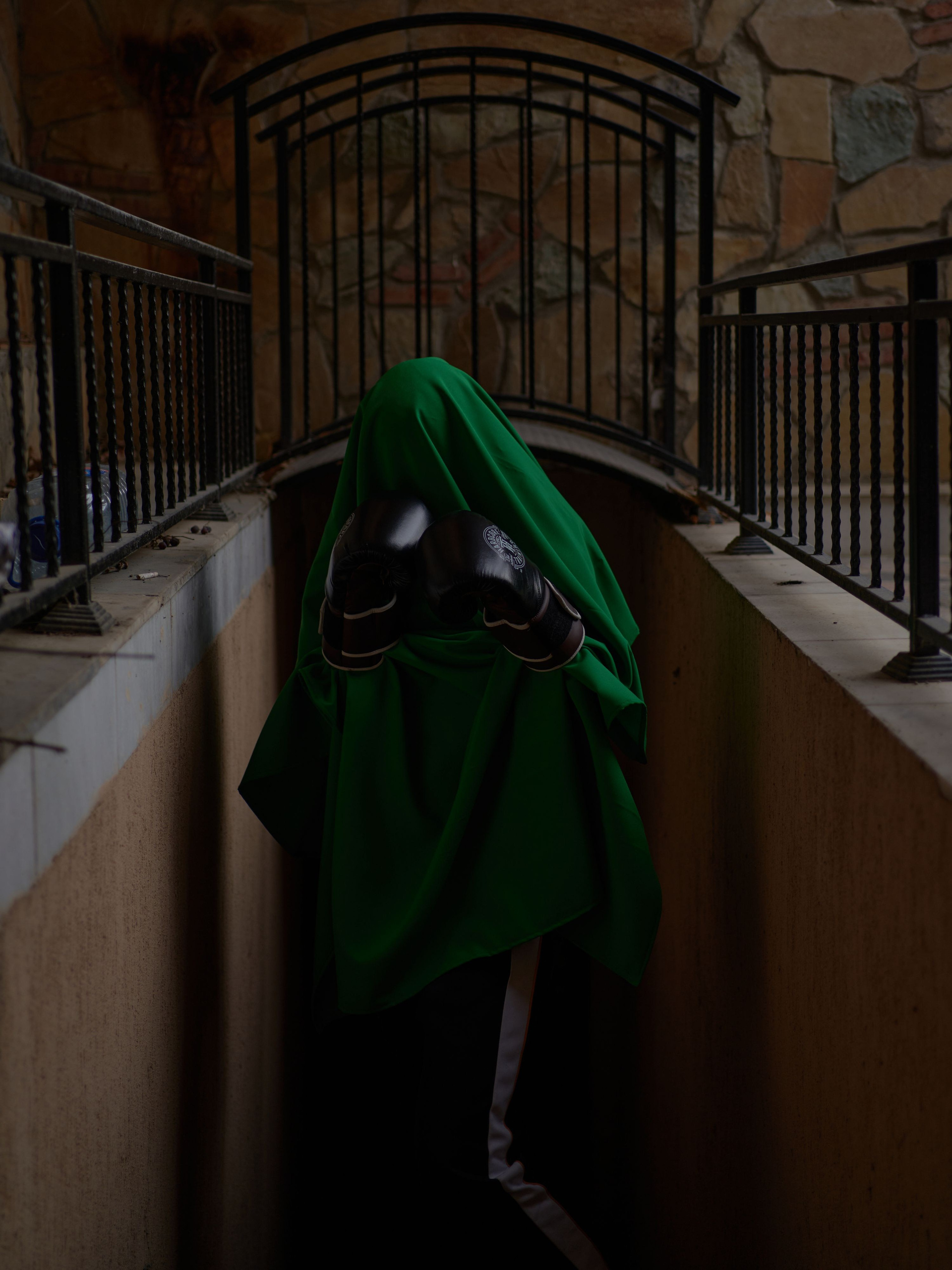
No single word seemed to cover this experience. Each person chose a term according to their circumstances and their own sense of what had happened — or preferred not to define themselves at all.
Refugee referred first and foremost to people fleeing the war in Ukraine. Even those who had faced direct threats from individuals or the state in Russia often did not use the word for themselves, unwilling to equate the threat of war with political repression.
The word emigrant carried its own historical context. It evoked the White émigrés of the 1920s and, later, those who left after the partial opening of the Iron Curtain. For many, the term implied serious political involvement before departure.
Some felt they had not been active enough, had not resisted enough, had “not done enough” to call themselves emigrants.
Some chose migrant, but this word was not neutral either. In Russian, it was associated above all with labour migrants from Central Asia, and few were willing to apply it to themselves.
Expat sounded more neutral and detached, but implied a voluntary departure. Many considered their move forced, even if they had thought about leaving before the war. In everyday Russian, the word also felt too new and foreign.
Those who moved with the company they worked for had a simpler option: they called themselves relocants. The term was also used by some who had left independently. It described the fact of relocation while saying almost nothing about its causes, and did not imply flight.
It was difficult to say whether this was a problem of language — the absence of a fitting word — or a reluctance to enter a ready-made category. Either way, a blank space remained in self-definition.
One could choose an existing word, invent a new one, or leave that space empty. The emptiness itself could also be a statement — about the circumstances of departure, the fears behind it, and the hopes and plans attached to what came next.
Staying rarely begins with a decision.
You pay another month’s rent. Your tongue grows used to the guttural ყ.
You stop checking the route home. Your name appears on a lease, a work schedule, a parcel waiting downstairs.
The place that was supposed to be a pause begins to accumulate evidence that you live there.
The plan to leave lingers for a while. Eventually, it becomes something repeated more out of habit than conviction.
These portraits and first-person accounts are about that slow shift – the forms a life takes while it is still being called temporary.
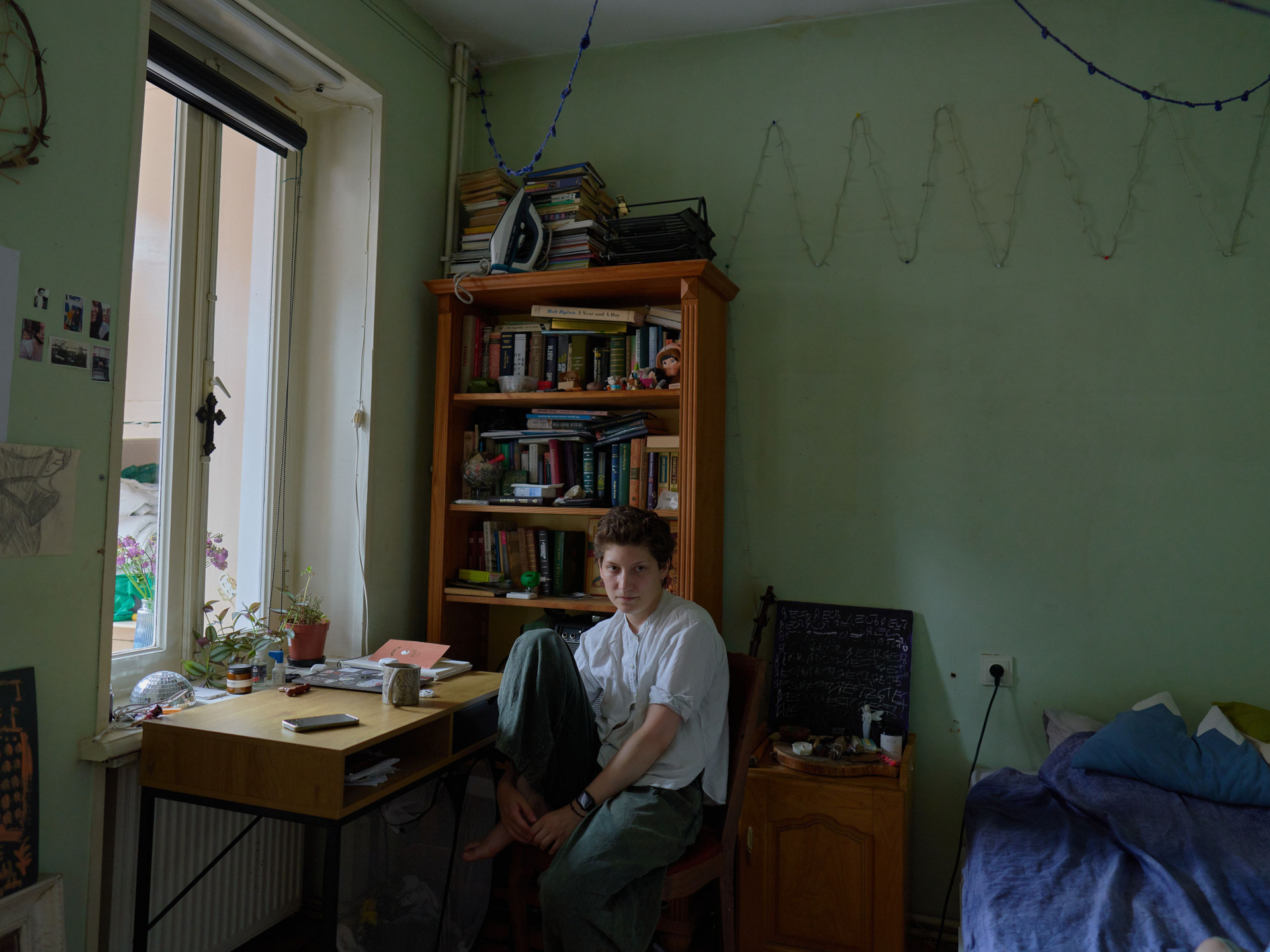
Anya: I sang before I could speak Georgian
I first came to Georgia in 2017. I stepped off the plane, walked into the airport, and knew I was home.
Why, I have no idea.
I barely knew Georgia. I could read the script, I knew the music, I sang Georgian songs, but I hardly understood the language. I had come to see someone I barely knew. Everything about it should have felt foreign.
It didn’t.
Before that, I had never really felt that I belonged anywhere.
Nationality had always been complicated in my family. My father is Jewish, my mother is half Tatar, and further back there are Polish, Ukrainian, and Russian roots. But nationality was never the main thing at home. What brought my parents together was Orthodox Christianity, and we were raised first and foremost as Christians.
Maybe that’s why, even now, it feels more natural to say “I’m a Christian” than to choose one nationality out of several. It describes who I am much more accurately.
Russia was even more complicated.
I was seventeen when Boris Nemtsov was murdered. I lived almost in the center of Moscow, not far from where it happened. I woke up in the middle of the night, opened Facebook for some reason, and saw that my entire feed was about his death.
I knew almost nothing about him at the time. But it was enough to know that an opposition politician had been killed next to the Kremlin.
I remember thinking: I don’t want to live here.
Between September 2017 and the spring of 2018, I came to Georgia five or six times.
Then I just moved.
Sometimes a decision that ends up shaping your entire life feels almost ordinary when you make it.
Home rarely announces itself.
At first, you simply stop wanting to leave. Then you begin to understand the language.
Then you sing.
That’s how I learned Georgian.
At my citizenship interview, they asked me:
“Did your husband teach you?”
“No, I learned on my own.”
“How?”
“I talked to people. I sang songs.”
The road to citizenship was much less romantic.
For several years, I couldn’t get permanent residency because of problems with my documents. My marriage certificate had my new surname, while my passport still had my old one.
Then came a pregnancy. Lockdown. Another pregnancy. The war.
From 2020 to 2023, I was technically living in Georgia illegally.
Not because I was hiding from the state. Quite the opposite. I kept going to the Public Service Hall, trying to explain that I couldn’t simply leave the country. I had a baby who was a Georgian citizen.
At one point, someone there told me:
“Go back to your Russia.”
It’s a strange feeling — to be completely certain that this is your home, while having no document that confirms you even have the right to stay.
Maybe that is the problem with belonging in general.
The paperwork is always a little late.
The passport came after the language. After the children. After the songs. After years of living here.
For the citizenship exam, I had to study six hundred questions on language, history, and law. I put it off for two and a half years. Then I decided to study every day, even if only for fifteen minutes.
A month later, I passed on my first attempt: 10 out of 10 in language, 10 out of 10 in history, and 9 out of 10 in law.
Now I teach traditional Georgian singing in my home. Russian-speaking people come, and we sing songs from different regions of Georgia. We work through dialects, pronunciation, and translations.
It matters to me that this is traditional music.
Not urban romances, but the traditions of different regions, different ways of singing, different ways of sounding.
But feeling that a place is yours doesn’t automatically mean that everyone there will see you as one of their own.
Living in another country also means gradually noticing what you brought with you.
Including things you had never noticed in yourself before.
For me, one of those things was a Russian imperial lens — the habit of treating my own language, culture, and presence as something that could simply be taken for granted.
It took months of paying close attention to the context around me, of conversations and reflection, to see it, acknowledge it, rethink it, and finally unlearn it for good.
Maybe home isn’t a place where one day a committee gathers and tells you that you belong now.
Home is a place where, little by little, you stop looking for proof that you belong.
I understood that long before I got the passport.
I think I already knew it back in 2017, at the airport.